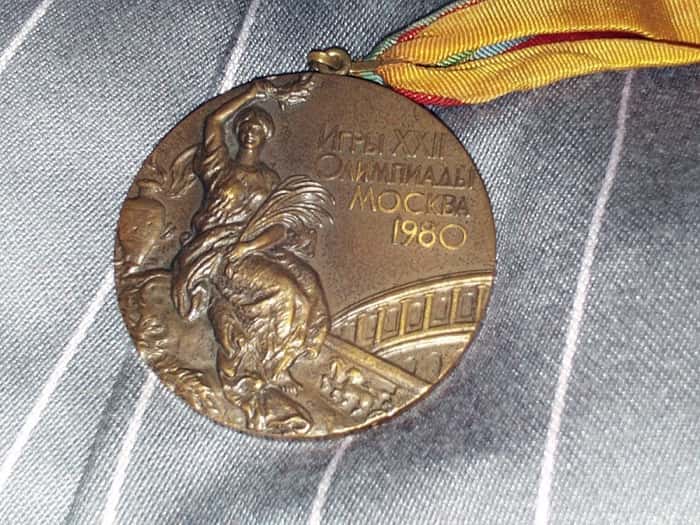
On January 20, 1980, President Jimmy Carter made a dramatic declaration: the United States would refuse to participate in the 1980 Moscow Olympics. This sweeping gesture was a direct response to the Soviet Union's military incursion into Afghanistan — one of the most volatile flashpoints of the Cold War era. More than 60 nations ultimately followed America's lead in sitting out the Games, though the decision ignited fierce debate among athletes and sports governing bodies alike. It remains a striking example of how deeply intertwined the worlds of athletics and geopolitics can become.
The announcement by President Jimmy Carter that American athletes would not compete in Moscow stands as a watershed moment in Cold War relations. The Soviet Union had invaded Afghanistan in December 1979, an act widely perceived as a grave threat to international stability, and Carter felt compelled to respond with more than words.
- Seeking to apply maximum pressure on the Soviet Union to pull its forces out, Carter laid down a clear ultimatum: if Soviet troops were not withdrawn by February 20, 1980, American athletes would stay home from the Summer Games in Moscow.
- The Soviets showed no willingness to comply, and the U.S. made good on its promise by officially pulling out — setting in motion one of the most consequential boycotts the Olympic movement has ever seen.
- Joining the United States in refusing to attend were more than 60 countries, among them Canada, West Germany, and Japan. Yet the decision was far from universally embraced at home. Countless American athletes who had devoted years of grueling preparation to their Olympic dreams were left heartbroken. The episode laid bare the uncomfortable friction between political strategy, the ideals of sportsmanship, and the spirit of global unity.
- At the heart of the boycott lay the Soviet Union's December 1979 invasion of Afghanistan.
- The absence of so many nations took a measurable toll on the competition, with events in track and field and swimming feeling the impact most acutely.
- The Moscow Games went ahead regardless, drawing participation from 80 nations. The Soviets would have the last word, however — they and their allied nations staged a retaliatory boycott of the 1984 Los Angeles Olympics.