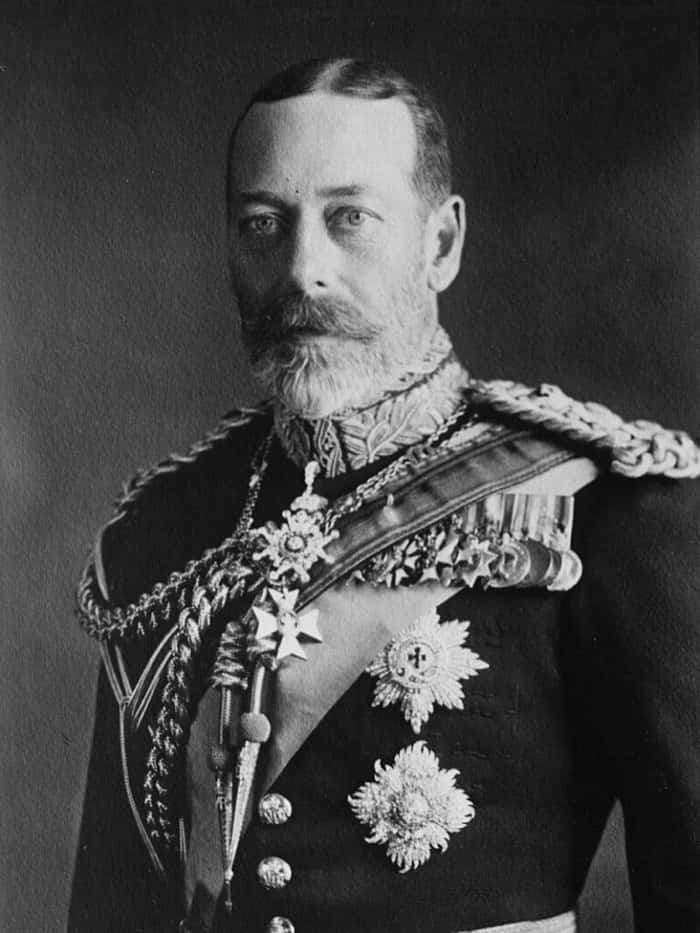
When King George V of England died on January 20, 1936, it brought the curtain down on a remarkable 25-year reign. Through World War I and sweeping societal change, he had guided the British Empire with unwavering commitment. His deep dedication to strengthening the institution of the monarchy made his time on the throne a defining chapter in British history.
For the British royal family, 1936 would prove to be nothing short of seismic — and it all began with the death of King George V. What followed was a rapid chain of extraordinary events: his successor, King Edward VIII, stunned the world by abdicating later that year in order to marry Wallis Simpson. The reverberations of that pivotal moment reshaped the monarchy's future in ways no one could have predicted.
Interesting Facts:
- Renowned for his deep sense of duty and wholehearted devotion to the crown, George V was instrumental in keeping the monarchy relevant amid sweeping political and social transformation. One of his most lasting innovations came in 1932, when he launched the annual Christmas radio broadcast — a groundbreaking move that forged a much more personal bond between the royal family and ordinary citizens.
- The king's death ushered in what would become one of the most dramatic years in royal history. His eldest son, Edward VIII, took the throne only to abdicate within the same year, choosing to marry Wallis Simpson, an American divorcée. This extraordinary constitutional crisis — a direct consequence of George V's passing — fundamentally altered the monarchy's course, ultimately placing his second son, Albert, on the throne as King George VI.
- Reign: 1910–1936, encompassing World War I and significant global change like the great depression.
- Strengthened the monarchy's role in modern Britain and maintained stability during tumultuous times.
- King George V was an avid philatelist, and his stamp collection, the Royal Philatelic Collection, is one of the most comprehensive in the world.