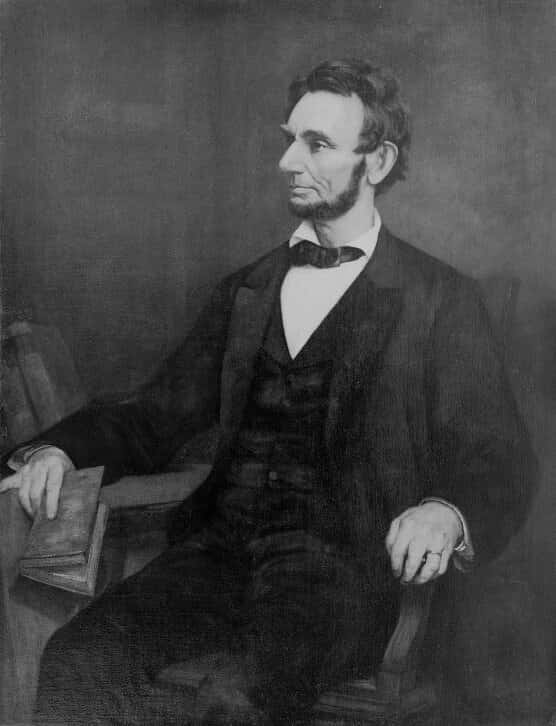
When President Abraham Lincoln's Emancipation Proclamation took effect on January 1, 1863, it marked a pivotal turning point in American history. The document declared freedom for enslaved people held in Confederate states, fundamentally reshaping what the Civil War was about. Though it fell short of abolishing slavery altogether, this groundbreaking measure elevated the conflict into something far greater — a struggle for human freedom itself.
Interesting Facts:
- The proclamation wasn't a surprise. Lincoln had publicly revealed it months earlier, on September 22, 1862, essentially issuing an ultimatum: Confederate states had until year's end to return to the Union, or their enslaved populations would be declared free.
- Crucially, the reach of the proclamation extended only to states in rebellion. Enslaved individuals in Union states saw no immediate change to their status — full abolition wouldn't arrive until the 13th Amendment was ratified in 1865.
- One of the proclamation's most consequential provisions opened the doors of the Union Army to African Americans. Close to 200,000 Black soldiers ultimately enlisted, significantly strengthening the Union's military capacity.
- Before the proclamation, many framed the Civil War as a dispute over states' rights. Afterward, the conflict carried unmistakable moral weight as a crusade to end the institution of slavery.
- There was deep symbolism in Lincoln choosing New Year's Day to sign the document — a date that represented renewal and a fresh beginning for the entire nation.
- Lincoln had spent the morning of New Year's Day greeting an endless stream of well-wishers, shaking hand after hand. By the time he sat down to sign, his hand was trembling. Nevertheless, he was resolved to produce a firm, steady signature that would convey the strength of his commitment.
- Internationally, the proclamation earned widespread admiration from abolitionists and served a strategic purpose as well — it effectively discouraged European powers from throwing their support behind the Confederacy.
- Although the proclamation officially became law in 1863, enforcing it across Confederate-held territory proved to be a prolonged process. The holiday of Juneteenth traces its origins to 1865, when freedom was finally proclaimed in Texas.