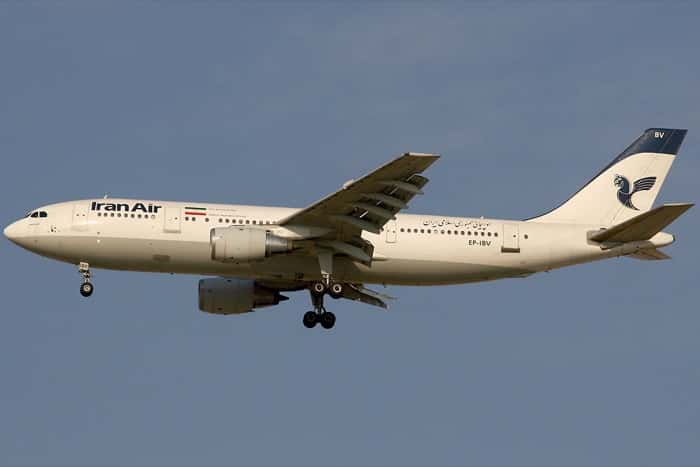
On July 3, 1988, what should have been a routine commercial journey turned into one of aviation's darkest chapters. Iranian Flight 655 lifted off from Tehran, Iran, at approximately 10:47 AM, bound for Dubai. The Airbus A300, carrying 290 souls on board, was struck down by a missile fired from the USS Vincennes, under the command of William C Rogers. Every single person aboard lost their life. The tragedy was attributed to a catastrophic breakdown in communication between the crew of the Airbus A300 and the U.S. cruiser, which failed to correctly identify the aircraft as a civilian passenger plane. Compounding the situation was the fact that the surrounding region was embroiled in active conflict at the time.
More Facts
- Iran Flight 655 was an Airbus A300 that had departed from Tehran en route to Dubai.
- The missile that brought down the aircraft was launched from the USS Vincennes, a guided missile cruiser belonging to the United States Navy.
- The guided missile struck the Air Autobus moments after it had taken off from a stopover at Bandar Abbas International Airport.
- All 290 souls on board were killed — the aircraft was carrying 274 passengers along with 16 crew members.
- Of the 274 passengers, 238 held Iranian nationality, 13 were nationals of the United Arab Emirates, ten were of Indian nationality, six were of Pakistan nationality, six were of Yugoslavian nationality, and one was Italian. Every one of the 16 crew members was of Iranian nationality.
- The downing of Iran Flight 655 took place amid the Iran-Iraq war, a conflict that had already raged for eight years by that point.
- In the aftermath, the United States government paid $61,800,000 to the families of those who lost their lives in the attack.
- Ronald Reagan, who was serving as president of the United States of America at the time, sent a diplomatic note to the Iranian government in which he expressed his deep regret over what had occurred.