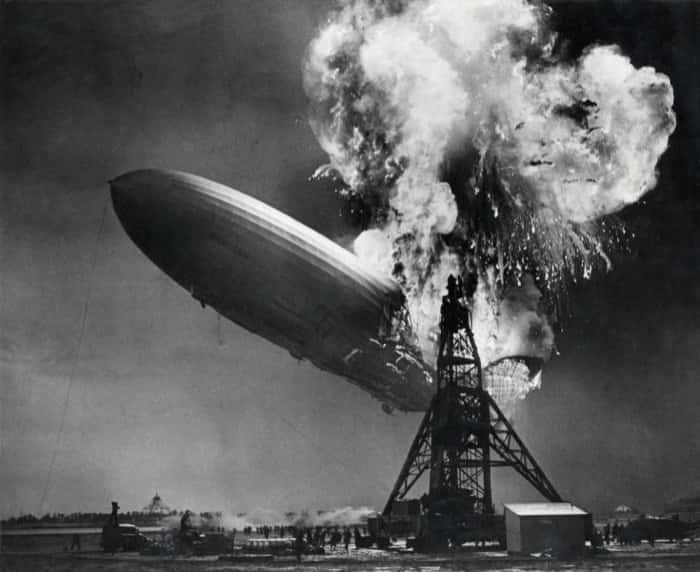
On May 3, 1937, the Hindenburg departed Frankfurt, Germany, bound for Lakehurst's Naval Air Base on what was meant to be a routine transatlantic crossing. Aboard the massive airship were 36 passengers and 61 crew members. Then, on May 6, at 7.25 p.m local time, disaster struck — flames consumed the Hindenburg as it attempted to land at Lakehurst, New Jersey, destroying the vessel entirely. Of the 97 persons on board, 35 people fatefully lost their lives. In all, 35 perished aboard the airship itself, along with one ground crew member, though remarkably, 62 of the total passengers and crew pulled through.
For over 30 years, commercial zeppelins had ferried passengers with an extraordinary safety record — tens of thousands of travelers covering more than a million miles across upwards of 2,000 flights, all without a single injury. Yet in one catastrophic moment, the Hindenburg disaster shattered that legacy completely, drawing the curtain on the era of the rigid passenger airship and the unique combination of speed and luxury it had offered.