On July 12th, 1817, the small New England town of Concord, Massachusetts — a place destined to become inseparable from the story of American literature — saw the birth of one of its most remarkable sons. Henry David Thoreau, who would grow into a towering essayist, poet, and philosopher, arrived that hot summer day as the third child of John Thoreau, a hapless small businessman, and the spirited Cynthia Dunbar Thoreau. Few could have guessed that this quiet beginning in an unassuming town would mark the entrance of a thinker, doer, and leader whose ideas would echo across centuries.
America itself was still in its youth when Henry came into the world, its culture and national identity only just taking shape. Amid these significant changes, Henry found himself drawn to a life of simplicity. Concord, with its picturesque woodlands, meadows, and streams, offered exactly the kind of idyllic setting he needed to thrive during his early years.
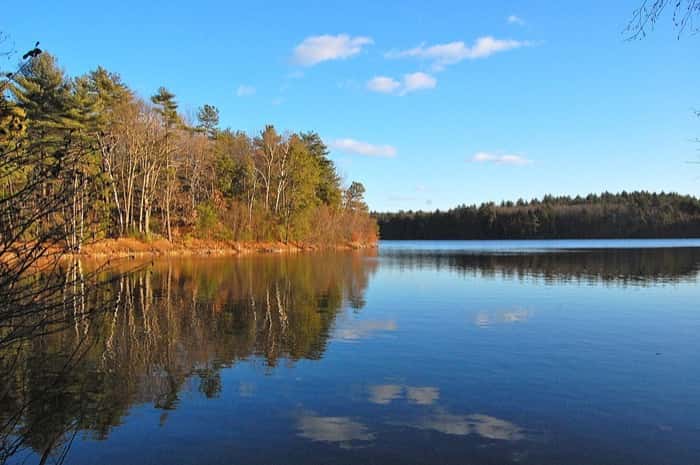
When he was 27, Thoreau departed his birthplace to take up residence at Walden Pond, building a cabin where he would live for two years. Think of it as a sponge soaking in everything around it — this stretch of time proved deeply transformative. Out of that experience flowed the celebrated book Walden, a vivid account of his encounters with the natural world that has since moved countless readers to embrace the wilderness on their own terms.
A fierce dedication to peaceful resistance against injustice sat at the very heart of Thoreau's philosophy. Through his landmark work 'Civil Disobedience,' he made the case for nonviolent opposition to unjust laws — ideas that would ripple forward in time to shape the thinking of towering figures like Mahatma Gandhi and Martin Luther King Jr.
The closing chapter of Henry David Thoreau's life carried the same poetic quality that had defined it. "Now comes good sailing," he said in his final words, followed by the hauntingly spare utterances of "moose" and "Indian." In those last thoughts, we glimpse just how profoundly he had bonded with nature and the restless spirit of exploration that ran through everything he did.
Today, his legacy continues to move people toward authentic, spontaneous, and simple lives lived in harmony with the natural world.