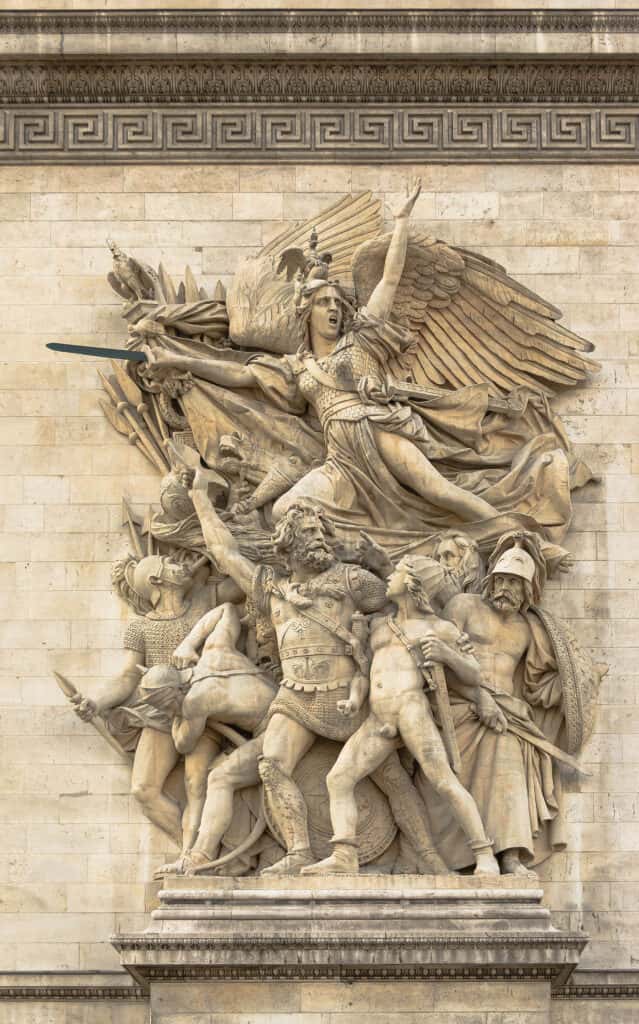
It was on July 14, 1795, that "La Marseillaise" officially earned its place as the national anthem of France — forever enshrining a rousing symbol of liberty and patriotic fervor into the nation's identity.
Yet this stirring anthem didn't start out with such grand national aspirations. Its roots lie deep in the chaos and upheaval of the French Revolution, during the volatile closing years of the 18th century.
The story begins on 26 April 1792, when Claude Joseph Rouget de Lisle composed the piece at the behest of the mayor of Strasbourg. Far from the national treasure it would become, the song was initially a military rallying cry titled "Chant de guerre pour l'Armée du Rhin" (translation: War Song for the Army of the Rhine). Born out of France's confrontation with Austria, it embodied the fierce revolutionary energy and hunger for freedom that was coursing through the nation.
The anthem's legendary status owes much to the fédérés — volunteer fighters from Marseille serving in the French National Guard during the revolution. These fervent revolutionaries embraced the song as they marched toward Paris, transforming it into their rallying cry along the way. It was this powerful association that gave the composition its enduring nickname, "La Marseillaise," and propelled it to widespread acclaim.
Following years marked by revolutionary turmoil and sweeping transformation, the National Convention took the step of officially adopting and declaring "La Marseillaise" as France's national anthem on July 14th, 1795.
The anthem's journey wasn't without setbacks, however. Napoleon (I) went so far as to ban the song and strip it of its official status, worried that its fiery lyrics might spark a revolution directed at his own regime.
But the song proved resilient.
To this day, "La Marseillaise" stands as a stirring emblem of France's revolutionary heritage and its enduring devotion to liberty, equality, and fraternity. Its influence, however, reaches well beyond France's borders — resonating with people around the globe who stand for the ideals of freedom, human dignity, and national pride.