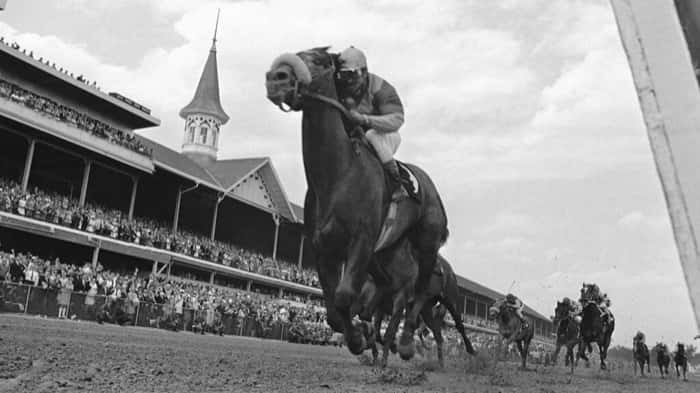
On its own, the Kentucky Derby stands as a titan of the horse racing world — one of the three prestigious Triple Crown races, routinely drawing crowds that surpass 50,000 spectators. But rewind to its origins, and the picture looks dramatically different. The very first Derby, held on May 17, 1875, was a far humbler occasion.
Before that landmark day, horse racing operated without much formal structure. Affluent breeders would employ jockeys to pit their finest horses against one another, staging competitions in open fields and public parks. Spectators flocked to watch, and it wasn't long before gambling became deeply intertwined with the sport. Alcohol soon followed, and the atmosphere at these events grew increasingly unruly. Faced with escalating chaos, the wealthy breeders who bankrolled these races began searching for a solution — and they found it in the construction of dedicated race tracks.
Churchill Downs in Kentucky emerged as one such venue. Opening its gates in 1875, the track hosted the Kentucky Derby as one of its earliest races. Roughly 10,000 spectators turned out for the occasion, with well-to-do ladies and gentlemen adorned in their most elegant attire. A beat of the drum set the competition in motion. Stretching 1 1/2 miles of hard-packed dirt, the course was conquered in a mere 2 minutes and 37 seconds — and the outcome was never really in doubt. Aristides, the winning horse, sailed across the finish line a commanding two lengths ahead of the runner-up, claiming the $2,850 purse. Though that sum might seem trivial next to the million-dollar payouts of modern racing, it represented a genuine fortune in 1875. The victorious jockey, Oliver Lewis, pocketed 10% of the winnings. Remarkably, Lewis never competed in another derby. He invested his earnings into launching a horse training and bookmaking career — a path he considered both more profitable and more prestigious.