Mailing a letter today without a stamp seems unthinkable, but there was a time when stamps didn't exist at all. In the early days of postal service, you'd bring your letter to the local postmaster, who would calculate the postage based on how many pages it contained and how far it needed to travel. That amount was then noted in the upper right corner of the letter. If you covered the cost upfront, the word "PAID" would be written there too. Otherwise, the person receiving the letter was on the hook to pay upon delivery.
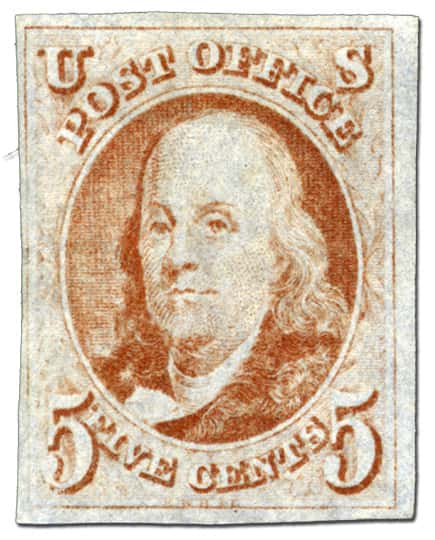
The 1840s saw the arrival of the first stamps, which were printed on sheets coated with adhesive gum on one side but lacking any perforations. To separate individual stamps, clerks had to rely on scissors — a tedious process that quickly proved unworkable. It wasn't long before someone came up with the clever solution of perforating the sheets, which made tearing off individual stamps far more convenient.
The public took to stamps enthusiastically — so much so that the Post Office began exploring new ways to make purchasing and using them even more convenient. This effort led to a milestone on April 16, 1900, when the Post Office introduced its very first books of stamps. Available in three different sizes, these booklets held either 12, 24, or 48 stamps apiece. Because the adhesive gum had a tendency to make everything stick together, waxed paper was inserted between the sheets as a separator. Each booklet featured cardboard covers that displayed postal rates for easy reference.