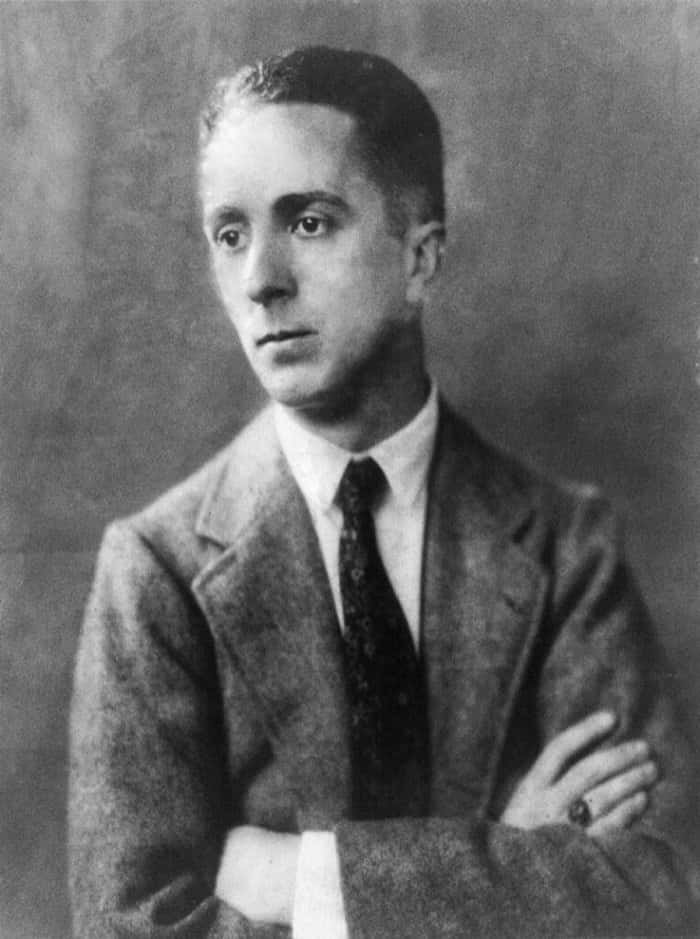
On February 3, 1894, New York City welcomed into the world a figure who would become one of the most cherished artists in American history. Norman Rockwell possessed an extraordinary gift for distilling the spirit of ordinary life into art, and that gift would eventually make him among the most recognizable creative voices the nation has ever produced. His body of work stands as an enduring window into American culture across the 20th century — a period of dramatic transformation that unfolded throughout his lifetime.
Early Life and Artistic Beginnings
From an early age, Rockwell displayed a clear artistic talent, revealing both a natural gift and a dedication to honing his abilities. While still a teenager, he sharpened his skills by taking art classes and went on to study at distinguished institutions, including the National Academy of Design and the Art Students League. His professional journey launched when he was just 18, taking on the role of art director for "Boys' Life," the official publication of the Boy Scouts of America.
A Partnership with The Saturday Evening Post
Rockwell's big break came in 1916, when he submitted his first cover illustration to The Saturday Evening Post — and it was an immediate success. What followed was a remarkable 47-year collaboration during which he produced 323 covers for the magazine, solidifying his standing as a visual storyteller of extraordinary skill. His illustrations struck a deep chord with readers by portraying everyday Americans in familiar, frequently humorous scenarios. Family dinners, small-town life, and beloved holiday customs all found their way onto his canvas, offering a reflection of a nation evolving from the Roaring Twenties through the postwar era.
Rockwell's influence reached new heights during World War II with his iconic Four Freedoms series, which drew inspiration from President Franklin D. Roosevelt's 1941 speech. These stirring paintings traveled across the country, generating millions of dollars for the war effort while powerfully reinforcing themes of liberty and unity.
As the 1960s arrived, Rockwell turned his brush toward social issues. Pieces from this era, including The Problem We All Live With (1964), engaged directly with the Civil Rights Movement and showcased his willingness and capacity to confront difficult, weighty subjects.
Fun Facts about Rockwell
- Throughout his career, Rockwell produced more than 4,000 original artworks.
- Rockwell spent much of his life in Stockbridge, Massachusetts, a town that served as the backdrop for many of his paintings. Today, the Norman Rockwell Museum located there holds the most extensive collection of his works.
Why It Matters
Born on February 3, 1894, Norman Rockwell gave visual form to the heart and soul of America. His art chronicled both the pleasures and hardships of daily life, weaving a visual story that still speaks to audiences today. The works he left behind remain deeply intertwined with the ideals and struggles that defined 20th-century America.