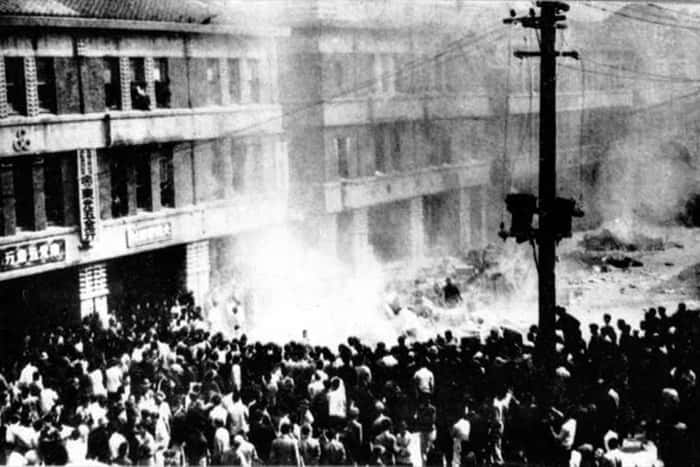
What unfolded on February 28, 1947, would become one of the darkest episodes in Taiwan's history — a wave of violence now known as the 228 Massacre. Born out of escalating friction between the local population and the ruling authorities, this devastating event claimed a significant number of lives and set in motion sweeping social and political transformations across the island.
The echoes of that fateful day still reverberate through Taiwanese society, serving as a powerful reminder that accountability and remembrance matter — and that the pursuit of justice must never waver. Let's look back together at this pivotal moment in history and explore how it continues to shape Taiwan's journey toward democratic progress and reconciliation.
Public frustration over economic hardship and political mismanagement by the government at the time fueled deep discontent, which ignited civil unrest. What started as popular protest rapidly spiraled out of control, giving way to violent clashes between ordinary citizens and government forces as tensions boiled over.
The repercussions of the massacre ran deep: thousands were affected, and the shared trauma of this tragedy became a driving force behind political reform and social transformation. In the decades since, the 228 Incident has come to represent both the immense suffering endured by countless individuals and the extraordinary resilience of a society committed to uncovering truth, achieving justice, and building reconciliation. Each year, commemorations honor the victims while reinforcing the imperative to safeguard human rights and uphold democratic values with unwavering vigilance.
Interesting Facts:
- A National Day of Remembrance: Every year, Taiwan observes the anniversary of the 228 Incident as a dedicated occasion for reflection and remembrance, nurturing dialogue and collective healing.
- Historical Investigation: The true extent of the massacre was shrouded in obscurity for many years, only coming to light through subsequent government inquiries and scholarly research into the tragic events.
- Impact on Taiwanese Politics: Democratic movements in Taiwan drew significant momentum from the 228 Massacre, which influenced reforms in governance and human rights.
- Cultural Reflections: A wealth of books, films, and academic studies have drawn inspiration from the incident, ensuring that the lessons of February 28, 1947, endure for future generations.
- Legacy of Justice: The ongoing push for acknowledgment and redress on behalf of the victims continues to influence Taiwan's political discourse, underscoring the vital importance of historical accountability and a shared responsibility to remember and learn from the past.