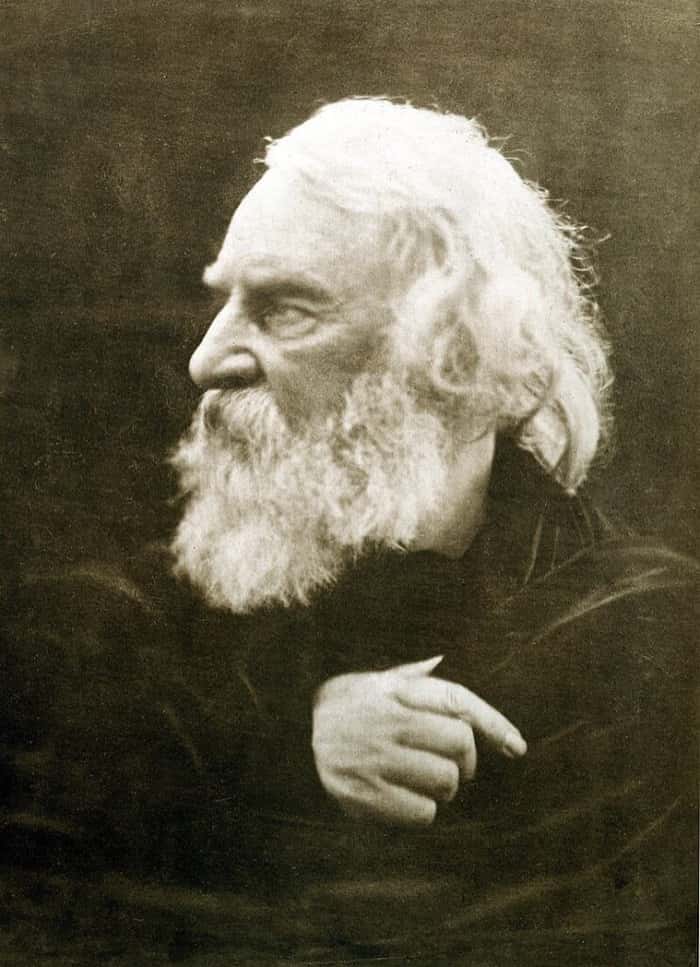
On February 27, 1807, in Portland, Massachusetts (now Maine), Henry Wadsworth Longfellow entered the world. Nobody in his family could have predicted that this child would rise to become one of the most revered poets of the 19th century. Today, Longfellow is remembered above all for his poetry, which played a pivotal role in shaping American literary identity and found an audience that stretched far beyond the nation's borders.
From an early age, Longfellow developed a deep love of literature. After attending private schools, he went on to study at Bowdoin College, where the works of Washington Irving and Sir Walter Scott left a lasting impression on him. Those writers ignited a fascination with language and the literary arts that would chart the course of his life. His remarkable gift for languages eventually earned him a professorship in modern languages, which in turn sent him to Europe to sharpen his abilities. While abroad, he mastered multiple languages and soaked up the literary traditions that would go on to shape his distinctive poetic voice.
After making his way back to the U.S., Longfellow took up a teaching position at Harvard. Yet his heart truly belonged to the written word. The publication of Voices of the Night (1839), which featured the beloved poem A Psalm of Life, proved to be his breakthrough moment and launched him into widespread fame. With Evangeline (1847), he enchanted audiences through a heartbreaking romance about two lovers torn apart during the Acadian expulsion — a work whose emotional richness and vivid imagery secured its place as a classic. The Song of Hiawatha (1855) wove together Native American legends to chronicle the tale of Hiawatha and Minnehaha. Then there was his 1863 poem Paul Revere's Ride, which transformed a moment from the American Revolution into myth and endures as one of the most celebrated patriotic verses in American history.
For all his literary triumphs, Longfellow's personal life carried deep pain. In 1861, his second wife tragically perished in a fire, plunging him into overwhelming grief. To find some measure of comfort, he threw himself into translating Dante's Divine Comedy — an undertaking that would yield one of the most highly regarded English renditions of the masterwork.
Even during his later years, Longfellow's poetry continued to captivate readers. His death came in 1882, but his influence hardly faded with his passing. In 1884, he earned a distinction no American poet had achieved before: a memorial in Westminster Abbey's Poets' Corner. His enduring presence in classrooms and literary circles around the globe stands as powerful proof of how deeply his words continue to matter.
By weaving together American and European literary traditions, Longfellow managed something remarkable — he brought poetry into the homes of ordinary people. More than a century on, his verses still ring out, a vivid reminder that words hold the power to inspire across generations.