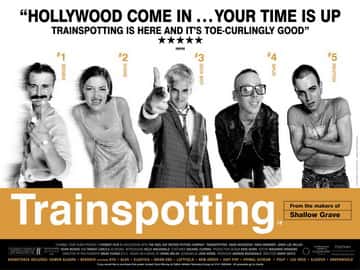
Beyond just a film premiere, the arrival of Trainspotting on February 23, 1996, marked a seismic shift in British cinema. Danny Boyle brought Irvine Welsh's novel to the screen in a way that went far beyond traditional narrative boundaries, plunging audiences into the world of Edinburgh heroin addicts. While addiction served as the backdrop, the film's true power lay in its unflinching exploration of friendship, defiance, and the desperate yearning to escape a life devoid of hope. Released through PolyGram Filmed Entertainment, the film has since cemented itself as a defining cultural touchstone.
The 1990s opened up a landscape of creative freedom for British filmmakers, and Danny Boyle seized that opportunity with a bold directorial vision for Trainspotting. What made the film's portrayal of drug addiction groundbreaking was its willingness to show both the seductive pull and the devastating consequences of heroin use. The characters are richly drawn and layered, yet it's the visceral, unrelenting depiction of addiction that truly grabs hold of you. Equally iconic was the film's soundtrack, featuring tracks from Iggy Pop, Underworld, Lou Reed, and Blur — a musical companion that mirrored the film's imagery and became legendary in its own right. Rather than offering neat moral conclusions, Trainspotting walks a tightrope between cynicism and hope, suggesting that redemption might exist but certainly isn't promised. The screenplay, penned by John Hodge, proved essential to making the adaptation work.
At the heart of the story is Mark Renton (Ewan McGregor), an unemployed heroin addict living in Edinburgh, Scotland's suburbs. Surrounding him is a cast of deeply flawed friends: the idealistic Tommy (Kevin McKidd), the volatile and dangerously unpredictable Begbie (Robert Carlyle), the affectionate yet penny-pinching Spud (Ewen Bremner), and the scheming Sick Boy (Jonny Lee Miller). Together, they careen through cycles of addiction, petty crime, and self-destruction. Moments like Renton's infamous "toilet dive" weren't just visually audacious — they encapsulated the sheer horror of addiction with startling precision.
As a cultural icon of '90s cinema, Trainspotting left an indelible mark on audiences long after the credits rolled. Boyle's direction brilliantly captured the strange bonds and chaotic lives of these characters, and the film's influence on the cinematic landscape extended well beyond its era, ultimately inspiring the 2017 sequel, T2 Trainspotting.