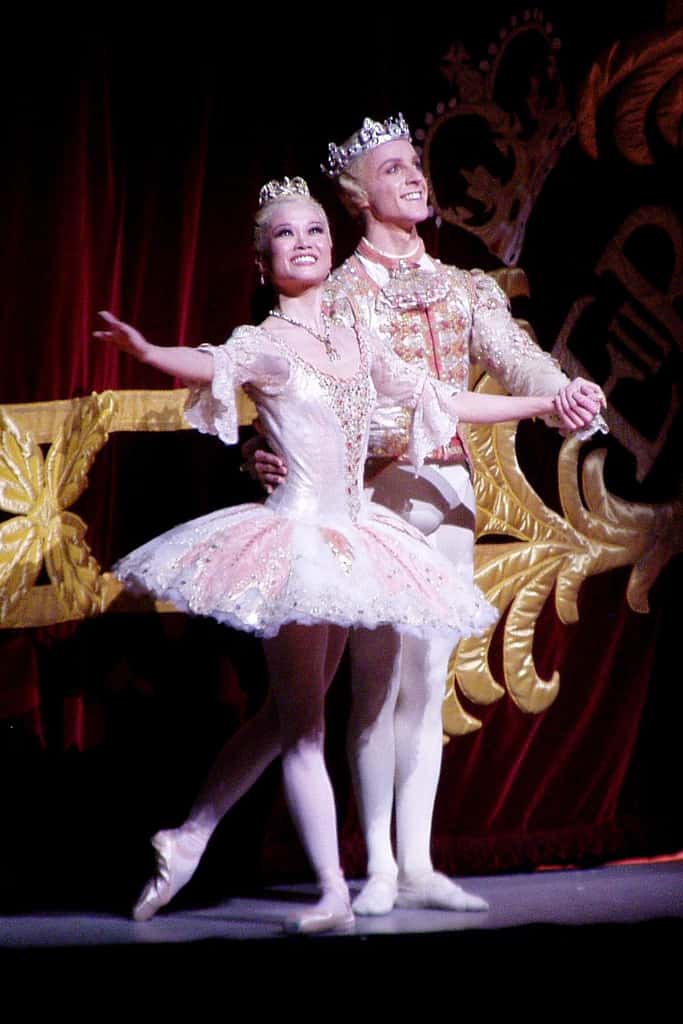
When George Balanchine's version of The Nutcracker took the stage at the New York City Ballet (NYCB) on February 2, 1954, it was a moment that would reshape American ballet forever. Far more than just another performance, this premiere cemented Balanchine's reputation as a creative visionary and transformed the ballet into a cherished holiday staple across the United States.
The Journey to New York
Long before it captivated American audiences, The Nutcracker made its official debut back in 1892 in St. Petersburg, Russia. Tchaikovsky wrote the score, while Petipa and Ivanov handled the choreography. Critics at the time, however, gave the original production mixed reviews — even though the music was undeniably gorgeous. Over the years, Tchaikovsky's Nutcracker Suite grew in popularity, but the complete ballet itself stayed largely obscure beyond Russia's borders.
A Landmark Premiere
Audiences were swept away by the enchanting spectacle of The Nutcracker's stage — a feast of lavish sets, stunning costumes, and inventive choreography. Children took center stage in key roles, particularly Clara and Fritz, while professional dancers brought memorable characters like the Sugar Plum Fairy to vivid life. Balanchine wove together mystery, joy, and whimsy, breathing fresh energy into this tale of a young girl's fantastical Christmas Eve journey. As the decades passed, The Nutcracker became inseparable from the holiday season by the late 20th century, with families flocking to theaters to experience it year after year.
A Lasting Legacy
To this day, George Balanchine's The Nutcracker stands as the definitive version of the ballet. The New York City Ballet continues to stage it annually, and its influence has sparked productions around the globe. More than just a performance, The Nutcracker has evolved beyond its origins into an enduring symbol of holiday joy and an essential part of American cultural life.