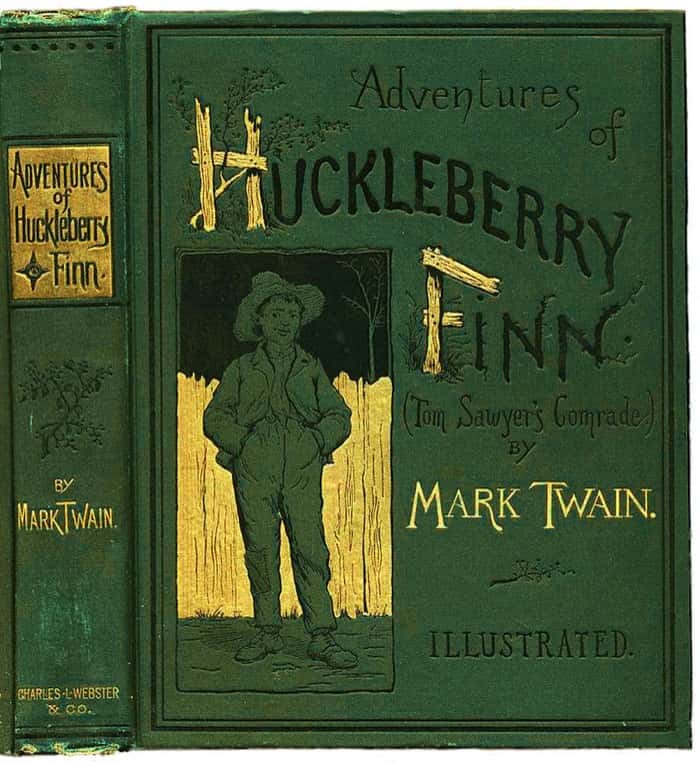
On February 18, 1885, Mark Twain left an indelible mark on American letters when Adventures of Huckleberry Finn was published in the United States. At the heart of the story lies the voyage of Huck Finn and Jim, a runaway enslaved man, as the two navigate their way down the Mississippi River. Along the way, they run into a series of dangers and obstacles that gradually open their eyes to the intricacies of society and the deeper truths of human nature.
Widely regarded as both a coming-of-age adventure and a searing commentary, Huckleberry Finn tackles the racial and moral questions that gripped America in the wake of the Civil War. Twain's masterful blend of dialect, humor, and social criticism has earned the novel a place among the most important literary achievements of its era. That said, the book has never been without controversy — debates frequently arise over its depiction of race relations and its heavy reliance on vernacular speech. Even though certain schools and libraries have banned it over the years, "Huckleberry Finn" endures as a vital work, with Twain's sharp observations about real historical issues still striking a chord with readers.
What set The Adventures of Huckleberry Finn apart was Mark Twain's decision to filter the entire narrative through Huck's own voice, keeping the language direct and immediately recognizable to local readers. This groundbreaking narrative approach allowed Twain to set a new standard for realistic storytelling. Ernest Hemingway and other literary critics have credited the novel with laying the foundation for contemporary American literature. Its themes — the yearning for freedom, the bonds of friendship, and the weight of difficult moral choices — spoke to people across all walks of life.
A Legacy That Endures
Though it has weathered persistent criticism over its language and content, Adventures of Huckleberry Finn continues to hold its place as required reading in classrooms and captivates young readers around the globe. The novel's exploration of freedom, morality, and friendship carries a timeless quality, remaining deeply relevant and continuing to inspire audiences in contemporary society.