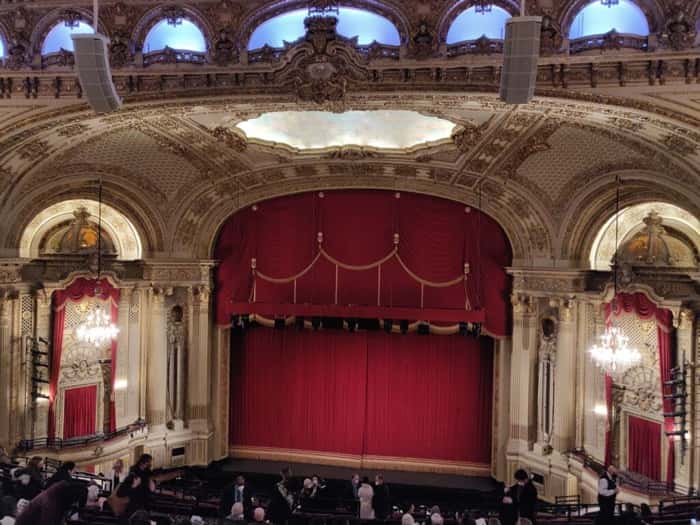
Charleston, South Carolina, carved out a remarkable place in the cultural story of America by staging the very first opera performed in the country — Flora — on February 18, 1735. By introducing European opera to the American colonies, this groundbreaking event set in motion a vibrant musical tradition and represented a transformative moment in America's cultural landscape.
Flora originated in England as a ballad opera, a clever genre that wove together operatic elements and spoken dialogue, drawing on popular songs of the era. Ballad operas stood apart from the grand operatic traditions of Europe by prioritizing accessibility for everyday audiences, which made Flora an ideal match for Charleston's expanding theater scene. As the city's theatrical world blossomed, the performances of Flora helped weave musical theater and opera into the fabric of American performance culture.
The debut of Flora in Charleston served as a powerful spark for the growth of American theatre, arriving at a time when colonists were hungry to embrace artistic endeavors. Entertainment options were scarce and theatrical productions were uncommon, yet Charleston was cultivating a deep and growing enthusiasm for the arts. The triumph of Flora fueled the creation of opera houses and musical productions across America, helping forge a unique theatrical identity for the nation. By welcoming European theater to its stages, Charleston positioned itself as an early cultural hub that shaped the trajectory of theater development. The occasion highlighted what Charleston had accomplished culturally and opened doors for the emergence of new performing arts centers throughout America, leaving a lasting imprint on the future of American theater. From its earliest days, Charleston proved instrumental in nurturing the cultural events and traditions that would define America's artistic heritage.
Flora's Lasting Legacy
Almost 290 years on, Flora stands as a defining chapter in the history of American music. That single performance proved opera could thrive as a performing art in the Americas and ignited a tradition of artistic excellence that endures to this day. Whether on Broadway stages or in grand opera houses, America's rich musical heritage traces a deep debt back to this landmark 1735 performance.