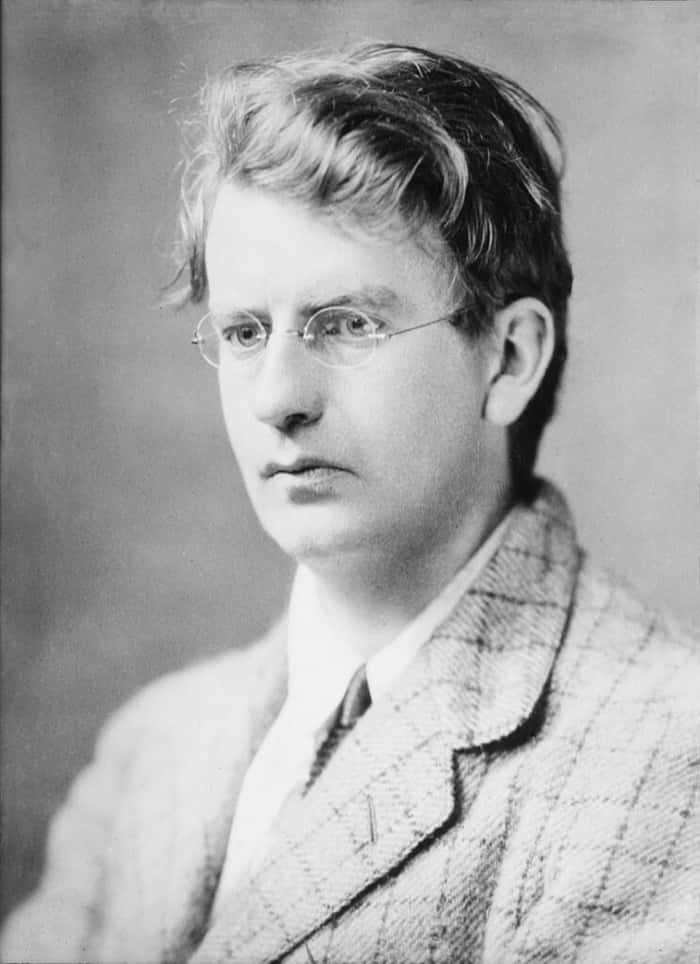
It's hard to imagine a world without vivid, full-color screens, but back on February 17, 1938, the very idea of color television was still a marvel waiting to be unveiled. That's exactly what pioneering Scottish inventor John Logie Baird set out to change when he publicly demonstrated color television at a London event. The showcase not only highlighted how far television had already come but also opened a window into the exciting broadcast possibilities that lay ahead. By successfully transmitting and displaying color pictures, Baird proved to black-and-white TV firms that his technique was viable, nudging the entire trajectory of television development firmly toward color.
What made this moment even more remarkable was the track record of the man behind it. Back in 1925, Baird had already cemented his place in history by achieving the world's first public television transmission — a significant milestone that served as the springboard for everything that followed. His 1938 color TV demonstration represented yet another groundbreaking leap forward. Blending electronic and mechanical elements, Baird built the first functional color television system, pushing TV development significantly further. Beyond the technical achievement itself, his system proved that color television was within reach, firing up the imaginations of engineers and inventors around the world.
The ripple effects of Baird's color television experiments extend far beyond his own era — they laid the groundwork for the electronic systems we depend on today. His successful demonstration captured global attention and motivated scientists to pursue the development of color television systems that would eventually reach the public in the 1950s. Through his work, Baird built a foundation upon which television's expansion was constructed, ultimately shaping the colorful global entertainment landscape we know now. The technological advancements his pioneering efforts set in motion transformed entertainment into a dynamic, vibrant medium — one that continues to evolve and redefine how audiences worldwide connect with content.
With that historic 1938 test, Baird permanently changed the direction of television's evolution. His tireless dedication resulted in the creation of the first practical color television system, a breakthrough that has inspired countless modern TV developments. Far from being a dusty chapter in a history book, Baird's important work remains a living influence on how television grows and evolves, its impact still felt to this day.