It was a grim evening for the nation on February 15, 1933, when President-elect Franklin Delano Roosevelt came within inches of losing his life during an assassination attempt in Miami, Florida. The harrowing incident took place at Bayfront Park, just moments after Roosevelt had wrapped up a short speech delivered to onlookers from the back seat of his open touring car. Though FDR walked away physically unharmed, the shocking attack cast a dark shadow over a country already reeling from the Great Depression and left behind a trail of tragedy.
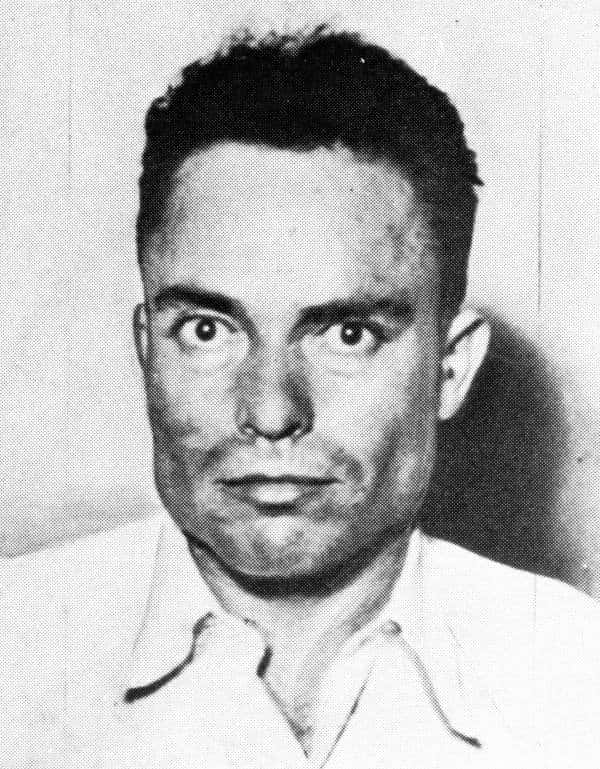
As Roosevelt finished addressing the gathered crowd that evening of February 15th, a man named Giuseppe Zangara — an unemployed bricklayer and Italian immigrant — pulled out a .32 caliber revolver and squeezed off five rounds. Perched atop a wobbly metal chair roughly 30 feet from the President-elect, Zangara took aim at Roosevelt but failed to hit his target. Instead, the bullets tore into five bystanders, among them Chicago Mayor Anton Cermak. Cermak suffered a devastating stomach wound that proved to be fatal — he would die 19 days after the shooting.
What prevented the attack from becoming even deadlier was the swift action of those standing nearby, most notably a courageous woman by the name of Lillian Cross. She grabbed hold of Zangara's arm mid-fire and refused to release it. Her fearless intervention almost certainly saved the President-elect's life, though the damage was already partially done. In total, five people took bullets that day, and one life was ultimately lost. Chicago Mayor Anton Cermak succumbed to his injuries 19 days after Zangara opened fire on the crowd.
Amid the pandemonium, Roosevelt displayed a striking sense of calm that left a deep impression on those who witnessed it. Observers marveled at FDR's steadiness and composure, qualities that only deepened the public's admiration for him. As for Giuseppe Zangara, he professed no personal vendetta against Roosevelt specifically. Rather, he harbored a broad contempt for politicians and the wealthy, whom he held responsible for the widespread misery of the Great Depression. Plagued by chronic stomach pain, Zangara felt his own suffering was justification enough for violence. Initially facing charges of attempted murder, he was quickly retried following Cermak's death and put to death in Florida's electric chair on March 6, 1933.
In the aftermath, Mayor Cermak's death gave rise to persistent rumors suggesting that Zangara had actually been gunning for Cermak rather than Roosevelt. Given Cermak's deep ties to Chicago's influential Democratic machine, he certainly had no shortage of enemies. Still, no credible evidence ever emerged to back up such theories, and Zangara himself maintained throughout that Roosevelt had been his intended target.
For Franklin Delano Roosevelt, this brush with death became a pivotal chapter in his story — one that unfolded before he had even taken the oath of office. The unshakable resolve he demonstrated in the face of mortal danger bolstered the public's faith in his ability to lead. In less than a month, Roosevelt would be sworn in as the 32nd President of the United States, going on to guide the country through the darkest years of the Great Depression and, eventually, World War II.