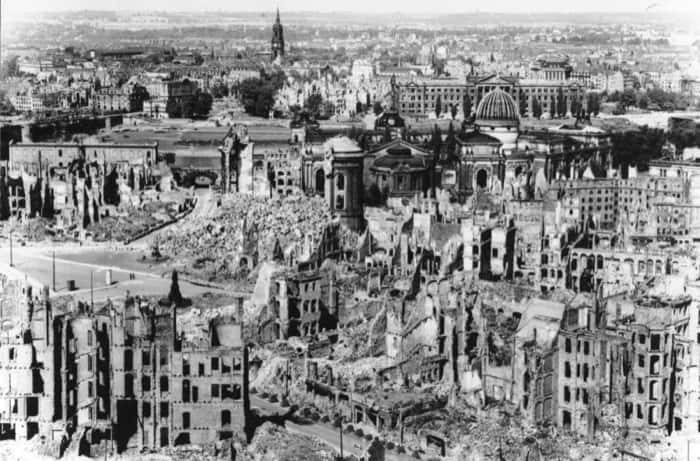
On February 13, 1945, the first of four devastating bombing raids struck Dresden, Germany, marking what would become one of the most hotly debated Allied operations of WWII. Under the banner of Operation Thunderclap, bombs rained down through the 14th and 15th, with a final wave coming on March 2nd. Although other cities in eastern Germany found themselves targeted in these raids, it was Dresden that emerged as a lightning rod for controversy surrounding Allied wartime decisions.
The Soviet Red Army had been driving aggressively westward into Germany by February 1945, and the Western Allies were eager to find ways to hasten Nazi Germany's collapse. Their answer came in the form of Operation Thunderclap — a coordinated aerial campaign designed to shatter communication networks, sever supply lines, and break the spirit of the German populace. Dresden ranked among the primary targets in a broader series of bombing raids aimed at strategically vital German cities.
On February 13, 1945, close to 800 bombers unleashed more than 2,500 tons of high-explosive and incendiary bombs on Dresden, delivering a scale of devastation without precedent. A ferocious firestorm erupted and burned for days in the aftermath. Subsequent raids on the 14th, 15th, and March 2nd shifted their focus toward railways and factories in the area.
Estimates of civilian deaths vary, but the toll likely stood at around 25,000. What made the destruction particularly gut-wrenching was Dresden's identity — a city celebrated for its Baroque architecture and rich artistic heritage, serving primarily as a historical and cultural jewel. Compounding the moral weight of the attack, the city was teeming with refugees who had fled westward to escape the approaching Soviet army.
Was the bombing of Dresden a justified and effective military strike, an ugly but necessary wartime measure, or an outright war crime? That question remains fiercely contested to this day. A US report completed in 1953 and declassified in 1978 concluded that the bombing was justified. In the years following the attacks, Dresden embarked on reconstruction efforts, gradually rebuilding historically accurate replicas of its famed landmarks.