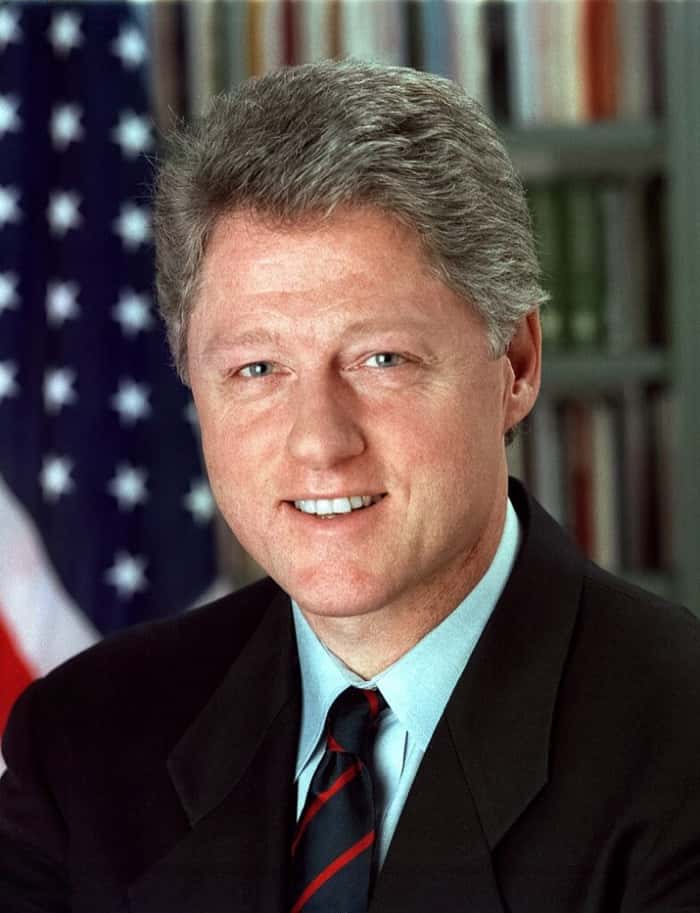
On February 12, 1999, one of the most dramatic episodes in American political history reached its climax: the impeachment trial of President Bill Clinton ended in acquittal. The Senate, after five grueling weeks of proceedings, failed to secure the two-thirds majority needed to convict him on charges of perjury and obstruction of justice. The entire affair captivated the nation and left an indelible mark on the country's political landscape.
The saga had its roots in an unlikely discovery. Ken Starr, while probing an entirely unrelated matter, uncovered Clinton's sexual indiscretions. What emerged was that Clinton had engaged in sexual acts with Monica Lewinsky, a White House intern — something he went on to deny under oath during a civil sexual harassment suit brought by another woman. Starr assembled his findings into a report and sent it to the House of Representatives.
What happened next caught many off guard. On December 19, 1998, the House voted to impeach Clinton on charges of perjury and obstruction of justice, drawing on the contents of the Starr Report. The Senate trial kicked off on January 7, 1999, and five weeks of proceedings followed. Then, on February 12, the Senate rendered its verdict — acquittal — a conclusion that stunned observers and injected yet another dramatic chapter into the already extraordinary affair.
Media coverage was relentless throughout, with every salacious detail broadcast and printed for public consumption. The 453-page Starr Report was made available online, where 20 million people read it. Americans found themselves sharply split over the matter, highlighting just how powerful public sentiment can be in shaping political narratives. Those who favored impeachment maintained that perjury and obstruction of justice, no matter the circumstances, revealed a leader who could not be trusted. Clinton's supporters, meanwhile, countered that although his behavior was morally dubious, it fell short of 'high crimes' and that a clear line should be drawn between his personal life and his public duties.
Clinton became only the second president in US history to endure an impeachment trial, following Andrew Johnson in 1868. As for Monica Lewinsky, she bore the brunt of intense public backlash and harassment in the aftermath. In time, she channeled that painful experience into a new role, becoming a speaker and advocate against cyberbullying and abuses of power.