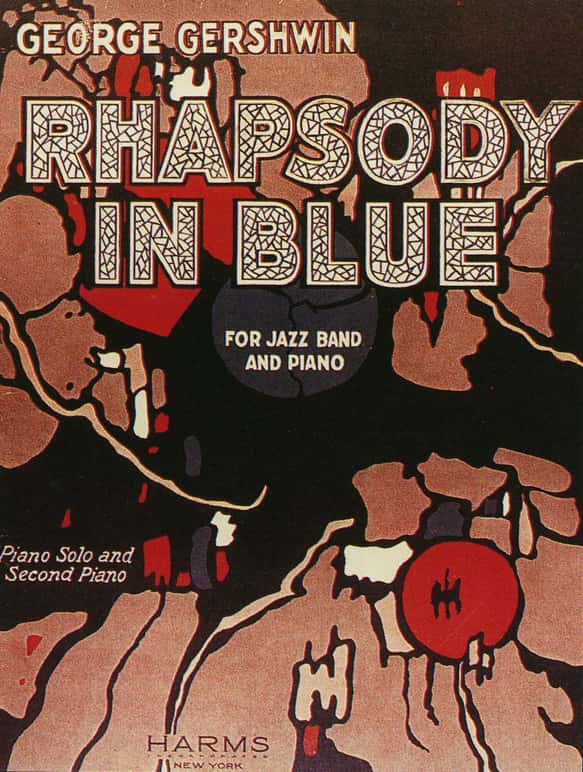
On February 12, 1924, something truly remarkable unfolded at Aeolian Hall in New York City — a moment that would forever reshape the musical landscape. George Gershwin sat down at the piano and delivered the world premiere of 'Rhapsody in Blue,' a daring fusion of solo piano and jazz band that captivated the room. The performance was the centerpiece of a concert billed as 'An Experiment in Modern Music.'
The whole affair was the brainchild of Paul Whiteman, who led the Palais Royal Orchestra and dreamed of bringing jazz into the concert hall setting. He approached Gershwin, then known as a Broadway composer, with a commission for an original piece. Gershwin initially turned him down — that is, until Whiteman persuaded him by revealing that a rival bandleader had a competing concert in the works. There was one notable hurdle: Gershwin lacked orchestration skills. Enter Ferde Grofé, Whiteman's arranger, who collaborated with Gershwin in a hands-on, page-by-page process. The two actively tinkered with and revised the music through experimentation, including the addition of an improvised clarinet glissando that became the piece's iconic opening.
The audience at the premiere absolutely loved 'Rhapsody in Blue,' making it an instant sensation. Critics, on the other hand, were divided. While some praised its groundbreaking originality and the bold marriage of jazz with classical traditions, others took issue with its technical aspects — orchestration in particular. None of that deterred Paul Whiteman, who became the rhapsody's greatest champion. His band kept performing the piece regularly and eventually made it their theme song. A recording went on to sell a million copies, and remarkably, the sheet music moved even more.
Together, Gershwin's brilliance, Whiteman's vision and partnership, and the sheer enthusiasm of audiences propelled 'Rhapsody in Blue' into cultural history — effectively carrying jazz out of the nightclubs and into the concert halls. The composition stood as proof that jazz deserved recognition as a legitimate art form, all while honoring its multicultural roots. The success launched Gershwin into an illustrious composing career; by 1925, he had already written "Concerto in F" for the New York Symphony.