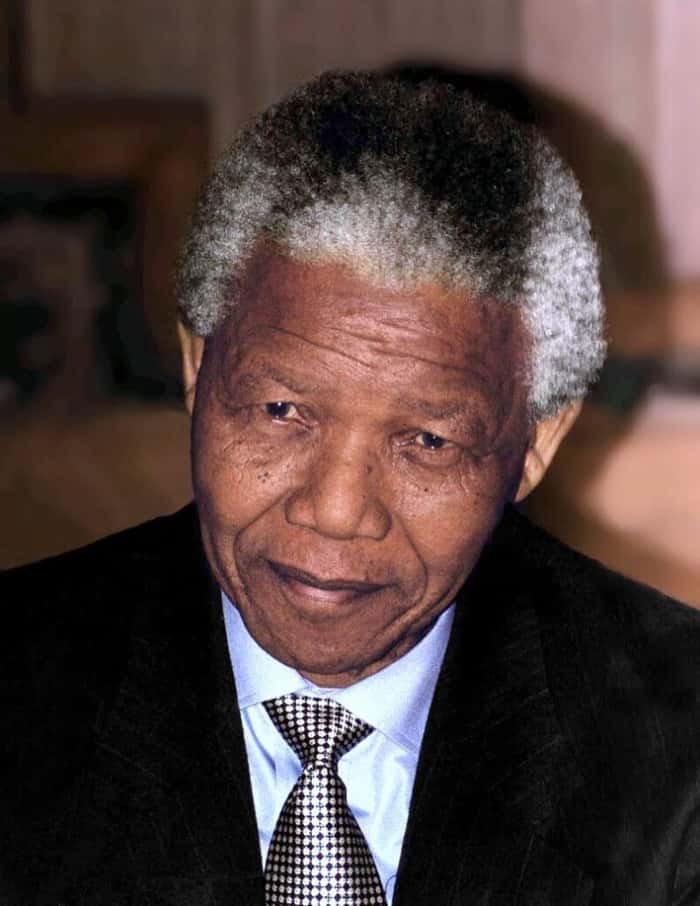
On February 11, 1990, the world witnessed one of its most defining moments. After enduring 27 years behind bars, anti-apartheid leader Nelson Mandela walked free. Far more than a cause for celebration, this was a turning point that signaled apartheid's demise. Just four years down the road, Mandela would become South Africa's first president — a powerful testament to his unwavering resilience and the profound weight of his liberation.
From an early age, Nelson Mandela was drawn into African nationalist politics. He became a member of the African National Congress (ANC) at the age of 25 and, by the 1950s, had established himself as a vocal yet nonviolent critic of the apartheid regime. His determination never wavered, even in the face of obstacles. In 1961, Mandela and a group of fellow protestors were arrested, though they were later released. When police began killing peaceful protestors, he took a decisive turn — organizing a paramilitary wing of the ANC dedicated to guerilla warfare. Authorities arrested him once more in 1962, convicting him and handing down a five-year sentence. But his troubles deepened while incarcerated: he faced additional charges of sabotage and conspiracy, was found guilty yet again, and this time received a life sentence.
Prison walls could not contain Nelson Mandela's activism — he persisted in his resistance and grew into a towering symbol of the fight against apartheid. When F.W. de Klerk assumed the presidency of South Africa in 1989, he understood the nation stood at the edge of civil war and moved swiftly to begin tearing down the apartheid system. He ordered Mandela's release in 1990, and Mandela emerged from captivity to the roar of cheering crowds. Their shared commitment to change earned both Mandela and de Klerk the Nobel Peace Prize in 1993. The following year, 1994, brought South Africa's first multiracial election, with Mandela winning the presidency. He stepped down from office in 1999 and died on December 4, 2013, at the age of 95. To this day, Mandela is broadly celebrated as an enduring icon of democracy and social justice.