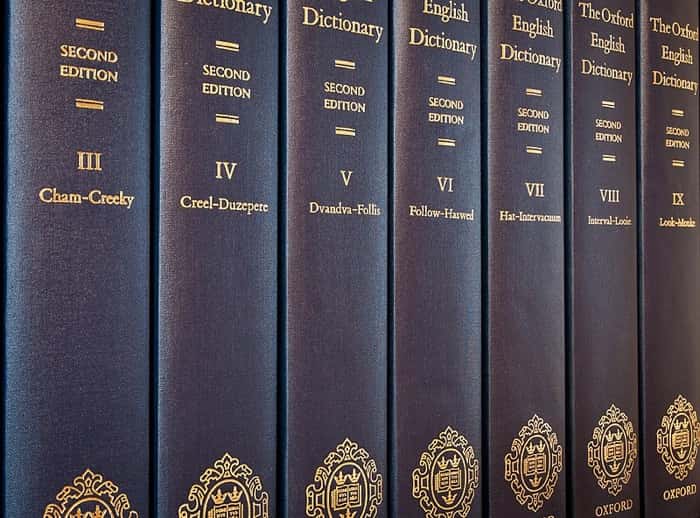
What we know today as the Oxford English Dictionary (OED) came into being on February 1, 1884, forever transforming how we relate to the English language. Behind this landmark achievement lay an extraordinary blend of scholarly ambition, dogged persistence, and collective effort on a scale rarely seen before.
The Birth of a Dictionary
Back in 1857, the Philological Society of London put forward a bold idea: why not create a dictionary that captured the entirety of the English language? The goal was nothing short of documenting every single English word—its origins, how it changed over time, and the ways people actually used it. Pulling off something this ambitious demanded a massive collaborative undertaking, with thousands of contributors combing through books, journals, and letters to find real-world examples of words in context.
The Challenges
- Slow progress: The project's early editors badly misjudged its scope. They originally expected to wrap things up in 10 years, yet publishing the complete dictionary ultimately took nearly 70 years.
- Sheer scale: Initial estimates called for roughly 6,400 pages of content. When the finished work finally appeared, it filled more than 16,000 pages across 10 volumes.
- Methodical madness: Every single entry demanded painstaking research and careful cross-referencing. Even as printing technology improved over the decades, the sheer magnitude of the work remained overwhelming.
The First Installment
- The first portion of the dictionary, covering A to Ant, saw publication on February 1, 1884—representing just a small sliver of the colossal whole.
- Scholars and language lovers greeted the release with enthusiasm, sensing in those early pages a glimpse of the immense intellectual wealth still waiting to emerge.
Even now, the OED keeps growing, with new words, definitions, and usages added on a regular basis to keep pace with the English language's constant evolution. It endures as an indispensable tool for writers, researchers, and word lovers everywhere.
Fun Facts:
- Crowdsourcing pioneer: Long before the term existed, the OED's editors leaned on an army of volunteer contributors—a remarkably early instance of crowdsourcing. All told, they collected more than six million quotations to support word entries.
- Unusual contributors: Among the most prolific of these volunteers was Dr. W.C. Minor, who submitted thousands of quotations while living as a patient confined in an asylum. His remarkable story went on to inspire both books and a film.