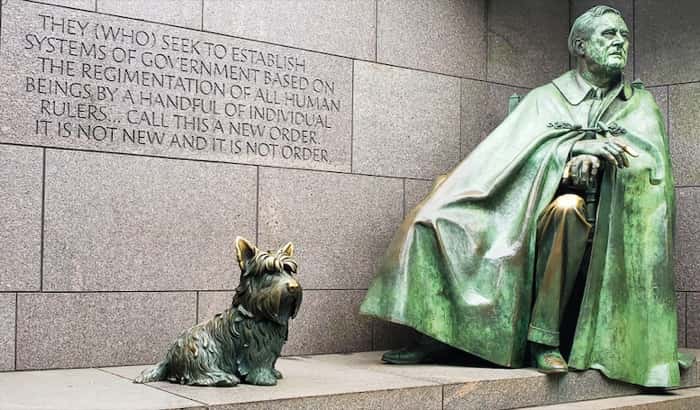
When World War II called upon servicemen to put their lives on hold, many sacrificed the chance to pursue college degrees and vocational training in order to serve their country on the battlefield. To acknowledge that sacrifice, the G.I. Bill of Rights provided meaningful support — including weekly allowances for veterans who found themselves unemployed, along with funding for education and vocational training.
Beyond those provisions, the bill opened additional doors: low-interest home loans, job placement assistance, and upgrades to VA hospitals. Together, these benefits played a vital role in helping returning veterans reintegrate into civilian life, elevating their standards of living and arming them with the practical skills they needed to thrive.
By 1956, when the bill expired, an impressive 7.8 million vets had taken advantage of education and training benefits, and at least 2.4 million vets had gained access to affordable home loans through the program.