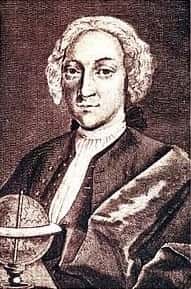
On April 5, 1722, Dutch explorer Jacob Roggeveen became the first European to lay eyes on what remains one of the most mysterious and perplexing locations anywhere on the planet: Easter Island. Known also as Rapa Nui, this remote landmass was dotted with enormous stone heads — the handiwork of some ancient civilization, crafted for reasons that remain a mystery.
Roggeveen's path to exploration had unlikely origins. His father, a scholar with aspirations of becoming an explorer, never fulfilled that ambition. Roggeveen himself didn't embark on his own voyages of discovery until the remarkably late age of 62. For most of his life, he had occupied a political role and found himself repeatedly entangled in religious controversy. It was only after retiring that he resolved to pursue the dream his father had never realized. With financial backing secured, he ventured into the uncharted waters of the Pacific Ocean.
After traveling approximately 1,500 miles into this unexplored expanse, Roggeveen spotted the shoreline of an unfamiliar island. It happened to be Easter Sunday, so the name "Easter Island" seemed fitting. The initial encounter with the island's inhabitants proved disastrous, resulting in several deaths. Despite this grim beginning, Roggeveen pressed on to survey the island — and what he encountered there continues to puzzle scholars to this day.
Massive stone heads were scattered across the landscape. By Roggeveen's estimate, they stood at least 30 feet tall. All of them shared the same distinctive style of carving, yet they had clearly been created over an extended span of time. As for their function, none was apparent.
From that point on, the expedition took a turn for the worse. One of Rogeveen's ships was lost, and illness struck half of his crew. To make matters worse, the entire party ended up imprisoned by a rival company that had been financing his voyage. Yet despite this unfortunate conclusion, Roggeveen would secure enduring fame as the man who discovered Easter Island.