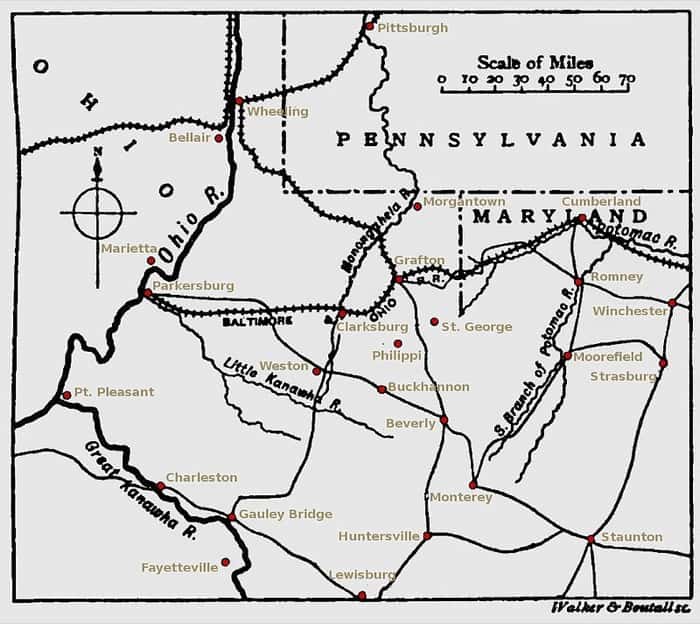
On December 31, 1862, a new chapter in American history unfolded as West Virginia earned its place in the Union. President Abraham Lincoln put pen to the statehood bill after extensive deliberation and a divided cabinet vote. The tensions between Virginia's eastern and western regions had been simmering for years, but the Civil War finally brought the conflict to a breaking point.
From the very start, Virginia's two halves existed in stark contrast. Slave-holding plantations dominated the eastern portion, while the western part was home to self-sufficient farming communities. Western farmers frequently felt overlooked by the state government in Virginia. In terms of geography and economics, the western counties naturally gravitated more toward Ohio and Pennsylvania than toward the remainder of their own state.
The outbreak of the Civil War in 1861 deepened Virginia's internal divide dramatically. Secession found its strongest support among eastern residents, whereas most people in the western part of the state preferred loyalty to the Union. On May 7, 1861, a vote made Virginia's membership in the Confederacy official. Wasting no time, the western counties set about charting their own course, establishing what they called the "Restored Government of Virginia" and filling the governmental positions that Confederate sympathizers had vacated.
Not everyone welcomed Lincoln's decision to sign the bill in December of 1862. Critics argued that carving West Virginia away without the consent of Virginia's government violated the Constitution. Complicating matters further, West Virginia itself was torn over the question of slavery. At first, its leaders sought an exemption from the Emancipation Proclamation, though they ultimately agreed to a compromise involving gradual emancipation. On June 20, 1863, West Virginia officially entered the Union as the 35th state.