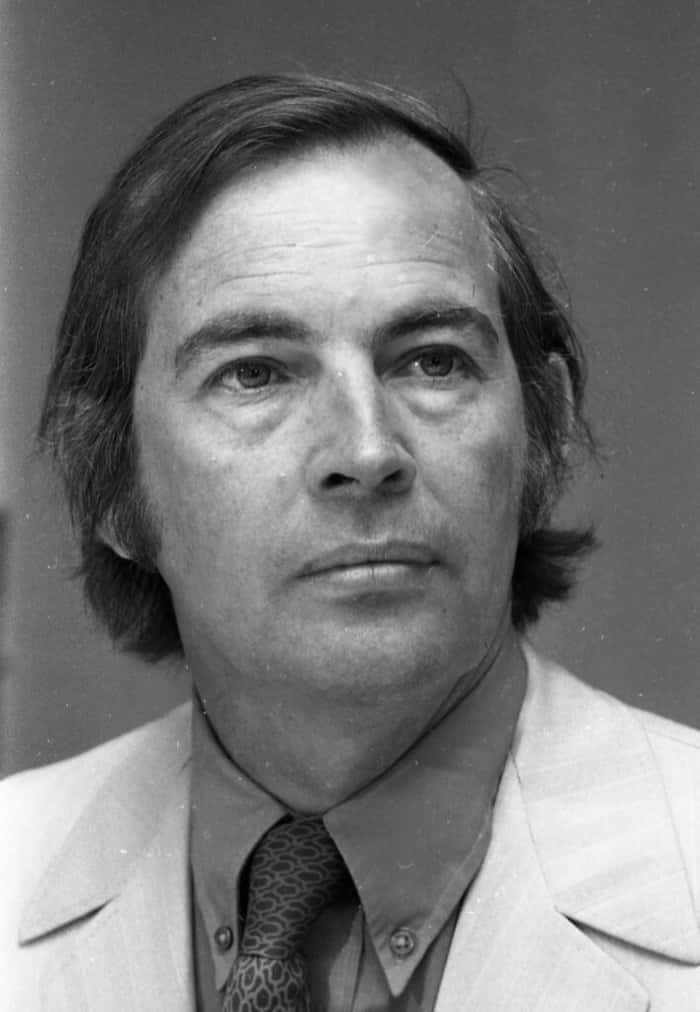
December 3, 1967, stands as one of the most remarkable days in medical history. On that date, Dr. Christiaan Barnard achieved what had long seemed impossible — the first successful human heart transplant — at Groote Schuur Hospital in Cape Town, South Africa. The recipient was Louis Washkansky, a 53-year-old man, who received the heart of Denise Darvall, a young woman whose life had been cut short in a car accident. Washkansky survived for only 18 days after the procedure, yet the operation itself represented a seismic shift in medicine, opening the door to transformative advances in transplant techniques and the care of transplant patients.
Key Facts:
- Dr. Christiaan Barnard: A bold and resolute South African cardiac surgeon, Barnard honed his skills through training in the United States before returning to South Africa, where he set out to revolutionize heart surgery. His fearless vision, relentless commitment, and compelling personal journey culminated in this landmark achievement, establishing him as a trailblazer in medical innovation and motivating countless future medical professionals to push boundaries.
- Louis Washkansky: Battling debilitating heart failure, Washkansky was chosen to become the world's first human heart transplant recipient. Although the surgery extended his life by just 18 days, the knowledge gained from his case proved extraordinarily valuable, driving meaningful improvements in subsequent transplant outcomes and highlighting the profound significance of his contribution to medicine.
- Denise Darvall, a 25-year-old woman, secured an enduring place in the annals of medical history. Her untimely death in a car accident led to her becoming the first individual ever to donate a heart for transplantation. Through this selfless gift of organ donation, she offered Louis Washkansky a renewed chance at life and fundamentally transformed the landscape of what organ donation could achieve. The medical community and the broader public have long honored her with deep respect and gratitude for this extraordinary contribution.
- Impact on Medicine: Though met with initial doubt, the success achieved by Barnard sparked a wave of transplant operations around the world, rallying the medical community around a collective goal of saving lives. In the years that followed, breakthroughs in surgical techniques and immunosuppressive medications dramatically improved survival rates for transplant recipients, amplifying the global significance of this watershed moment and cultivating a powerful sense of shared mission and unity among healthcare professionals.
- Heart transplants have since become a routine, life-saving procedure, with thousands carried out each year across the globe. This lasting impact traces directly back to the pioneering efforts of Dr. Christiaan Barnard on December 3, 1967. His groundbreaking success established the bedrock of modern transplant medicine, bringing hope to patients facing severe heart conditions and serving as an enduring source of inspiration for generations of medical professionals.