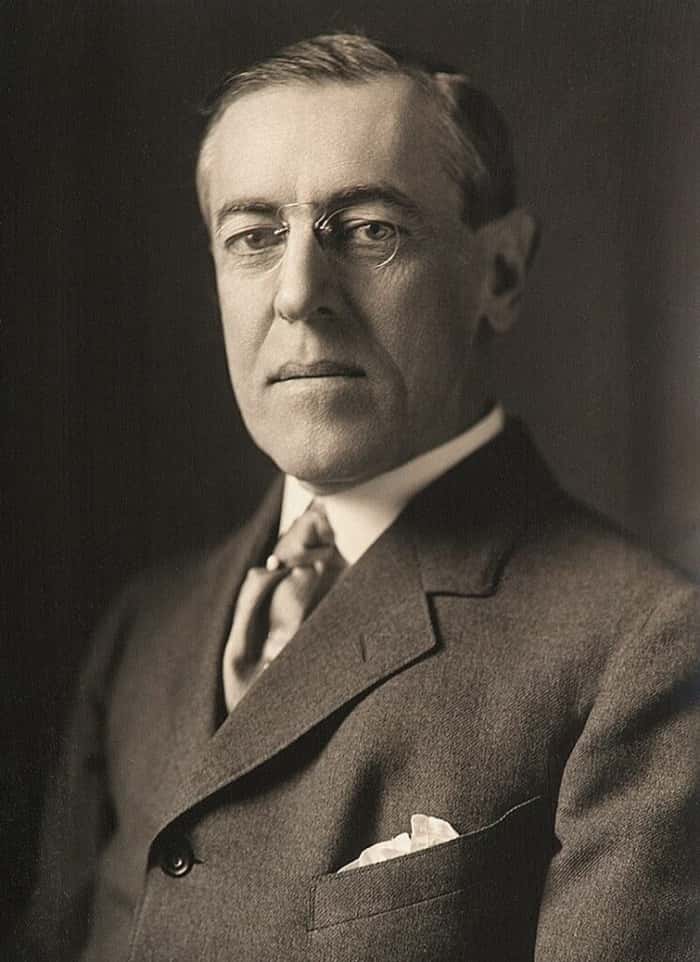
Born on December 28, 1856, in Staunton, Virginia, Woodrow Wilson would one day rise to the presidency of the United States. His formative years in the South, shaped by the turmoil of the Civil War and the era of Reconstruction that came after, left a deep imprint on his worldview — one that would go on to profoundly influence his time in office. His father was a devoted supporter of the Confederacy, and Wilson himself, once in the White House, imposed strict racial segregation across the federal government. It was a cause he championed with fervor, defending racial segregation on supposed scientific grounds in both public and private settings.
Another notable aspect of Wilson's early political identity was his opposition to women's suffrage — a stance he held fiercely, at least initially. His resistance was so strong that it made him the target of a series of protests. Yet Wilson eventually reversed course. By 1918, he had shifted so dramatically that he stood before Congress to deliver a speech urging that women be granted the right to vote nationwide.
Among Wilson's most celebrated achievements was his role in establishing the League of Nations, an intergovernmental organization designed to facilitate communication between nations in the pursuit of world peace. Though the League of Nations proved short-lived, it is believed to have served as the inspiration for the United Nations that followed. Beyond this, Wilson was a vocal champion of democracies around the globe and pushed for everyone's right to free navigation of the world's oceans.
Wilson served two terms in office and set his sights on a third — something that was legal at the time. But in 1919, a severe stroke left him incapacitated, dashing any hopes of that third run. He passed away in 1924.