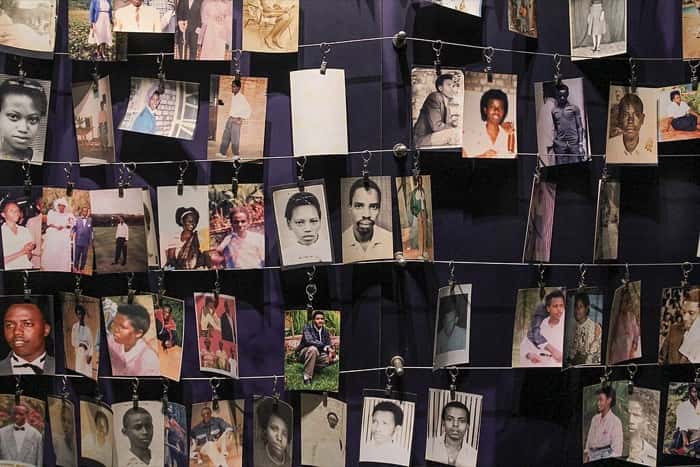
Rwanda's population in 1994 was largely divided between two principal ethnic groups: the Hutus and the Tutsis. Despite being the minority, the Tutsis had long occupied the upper echelons of Rwandan society. When German colonial forces made their way into the region during the nineteenth century, they chose to work within this pre-existing hierarchy rather than disrupt it. By propping up the Tutsi ruling class as a puppet government and reinforcing their authority with military power, the Germans entrenched Tutsi dominance—while the Hutu majority sank deeper into poverty and social subjugation.
Following World War II, Belgium assumed control of Rwanda and shifted course, throwing its support behind the Hutus instead. Independence arrived in 1962, and with it, decades of simmering social tensions boiled over into open violence. Countless Tutsis were driven from the country as they sought to escape the turmoil. By 1994, the situation had deteriorated into something truly nightmarish. Fueled by a hunger for power and a desire to avenge centuries of oppression, factions within the Hutu population—backed by the Hutu-led government—launched a systematic campaign to slaughter Tutsi civilians wherever they could be found. The death toll was staggering: an estimated 1 million Tutsis perished in the genocide.
After months of unchecked, indiscriminate killing, French peacekeeping troops entered Rwanda to shield civilians from further harm. Simultaneously, Rwandan opposition forces managed to topple the Hutu government, forcing former officials and a significant number of Hutu civilians to flee across the borders.
A demand for accountability followed quickly, though the nation needed time to achieve enough stability before legal proceedings could get underway. Finally, on December 27, 1996, the genocide trials were launched. The first to face prosecution was Deo Bizimana, a former hospital aide who had been deeply involved in the killings. The trials would go on to span nearly two decades, ultimately concluding in 2015.