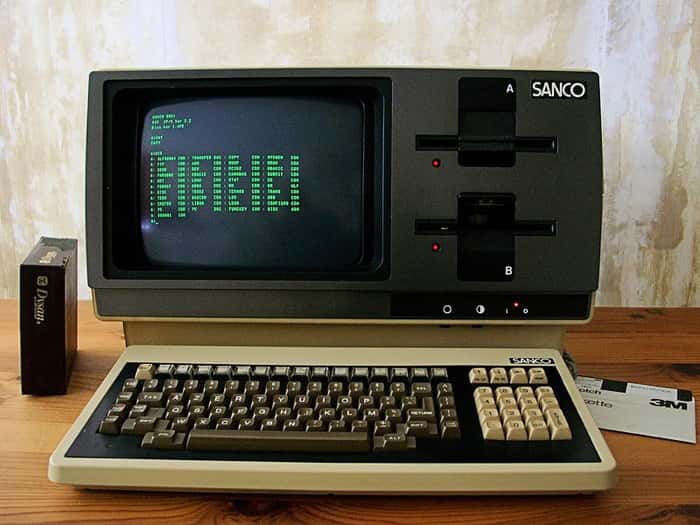
For the first time in the award's 55-year existence, TIME magazine bestowed its prestigious Man of the Year honor upon something that wasn't actually a person — a computer. The December 26, 1982 issue broke new ground by recognizing an inanimate object, sending a clear signal about the growing role technology was playing in shaping culture and everyday life.
The Man of the Year tradition stretches back to 1927, when TIME magazine began annually spotlighting the individual who most profoundly shaped global events over the preceding year. It's worth noting that "impact" hasn't always meant positive impact — the magazine has sometimes chosen deeply polarizing figures whose influence was largely destructive. Adolf Hitler was selected in 1938, Joseph Stalin earned the distinction in both 1939 and 1942, and Ayatollah Khomeini was named in 1979. So while choosing a computer raised eyebrows because the recipient wasn't a "man" at all, it was hardly the most poorly received pick the magazine had ever made in its long history.
What made 1982 the right moment for this unconventional choice? Computers were rapidly weaving themselves into the fabric of daily life and popular culture. The issue spotlighted several pivotal figures driving that transformation: Steve Jobs, John Opel, Adam Osborne, Dan Bricklin, Jack Tramiel, and Clive Sinclair — all of whom played key roles in pushing cutting-edge technology forward and putting it into the hands of ordinary people. Notably, Steve Jobs himself was left disappointed by the decision, having expected that the honor would go to him personally.
Beyond profiling tech industry leaders, the issue explored both the practical advantages computers already offered and the exciting possibilities that lay ahead. It also didn't shy away from a thornier question: could computers eventually replace human workers? Looking back now, it's striking how accurately TIME foresaw just how deeply technology would come to reshape our lives.