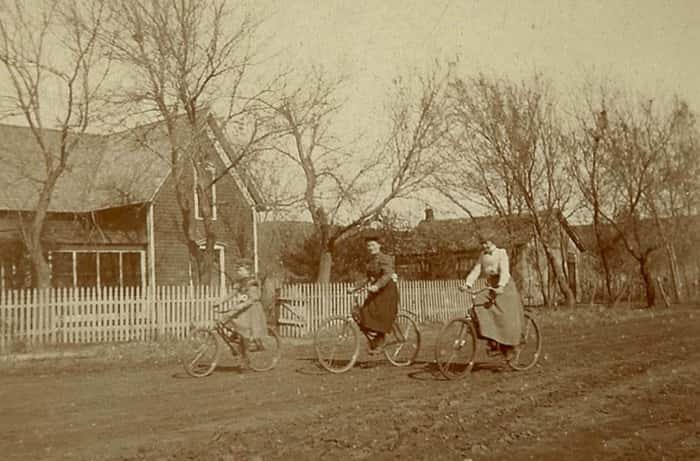
Here's a fact that might surprise you: early bicycles had absolutely no braking system at all. That changed on December 24, 1889, when a patent was granted for the bicycle pedal brake—an invention that would forever reshape how people experienced two-wheeled travel. The concept was elegantly straightforward: by simply reversing the motion of the pedals, a rider could slow down or come to a complete stop. This breakthrough delivered both safety and efficiency to cyclists of all kinds, whether they were out for a casual ride or pushing themselves in competition. For the rapidly expanding community of cyclists at the time, having a dependable mechanism to control speed through backward pedaling was nothing short of revolutionary.
Cycling's rise as both a viable transportation option and a beloved recreational activity owes a great deal to this invention. Beyond making rides safer, the pedal brake established a foundation upon which increasingly sophisticated braking technologies would be built, securing its place as one of the most consequential milestones in the history of the bicycle.
Fun Facts:
- A Safer Cycling Experience: Even when traveling at high speeds, riders could bring their bicycles to a swift halt simply by reversing their pedal motion.
- A Simple Yet Effective Design: Remarkably low-maintenance and straightforward to incorporate into bicycles already in use, the design was a masterclass in practical engineering.
- Influence on Modern Brakes: Today's coaster brakes and other sophisticated braking technologies trace their lineage directly back to this pioneering pedal brake.
- Early Bicycles Lacked Brakes: Prior to this invention, cyclists relied on dragging their feet on the ground or other crude techniques to come to a stop.
- Still in Use Today: Coaster brakes—direct descendants of the original pedal brake—continue to be a standard feature on children's bikes and cruiser models around the world.
- Catalyst for Urban Cycling: The improved ability to brake safely played a key role in convincing city residents to embrace bicycles as everyday commuting vehicles.
- Part of a Cycling Revolution: This patent arrived alongside the emergence of the safety bicycle, which featured equal-sized wheels and a chain drive, opening up cycling to a far broader audience.