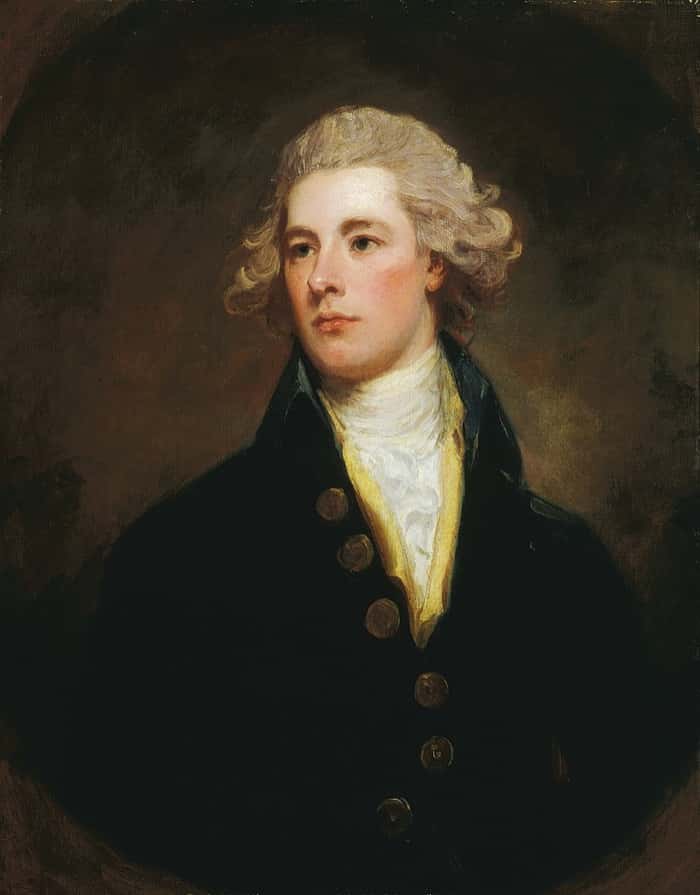
It's rare anywhere on the globe for youth and the highest echelons of political power to intersect. Yet that's exactly what happened on December 19, 1783, when William Pitt the Younger shattered expectations by ascending to the role of Britain's Prime Minister at the astonishing age of just 24 — the youngest person ever to hold the office. Rising to power amid considerable political upheaval, Pitt was widely recognized for his extraordinary intellect and powerful oratory skills. His exceptional time in office ushered in a wave of meaningful reforms and helped shape the trajectory of modern British politics.
When Pitt took the reins of government, Britain was struggling with the fallout from the American Revolution alongside mounting financial troubles. Far from being overwhelmed by these challenges, the young leader moved swiftly to demonstrate his competence, rolling out economic reforms that brought much-needed stability to the nation's finances. The groundwork he established through these policies proved instrumental in paving the way for both the Industrial Revolution and the principles of modern fiscal management.
Beyond domestic affairs, Pitt steered Britain through the volatile period of the French Revolutionary and Napoleonic Wars. His pragmatic and resilient approach to leadership cemented his reputation as one of the most remarkable politicians in British history, leaving behind an enduring legacy that far outlasted his years.
Fun Facts:
- Pitt was elected to Parliament at the age of 21, just three years before becoming Prime Minister.
- Known for his sharp wit, Pitt famously sparred with political opponents like Charles James Fox.
- Despite his youth, Pitt commanded respect for his deep understanding of economics and governance.
- Pitt never married and was entirely devoted to his political career.
- His father, William Pitt the Elder, also served as Prime Minister, making them the only father-son duo to hold the position in British history.