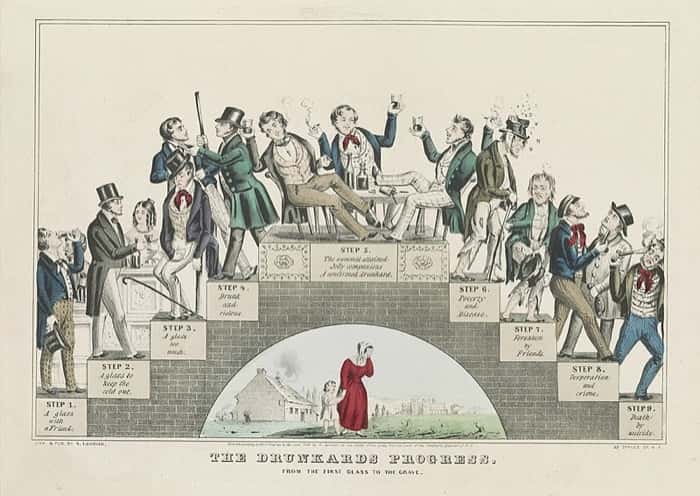
It was December 18, 1917, when the United States Congress gave its approval to the 18th Amendment to the Constitution—a decision that would usher in one of the most dramatic chapters in American history: Prohibition. At its core, the amendment aimed to outlaw the production, sale, and transportation of alcohol, a goal driven by a surging temperance movement backed by social, moral, and religious advocates.
With Congressional approval secured, the amendment headed to the states for ratification. The necessary three-fourths of the states gave their endorsement by January 1919, and the amendment formally took effect in 1920. To lay out specific enforcement guidelines, Congress subsequently passed the Volstead Act.
What followed, however, was a cascade of consequences nobody quite anticipated. Rather than curbing crime and elevating public morals—as its champions had envisioned—Prohibition fueled the explosive growth of illegal speakeasies, rampant bootlegging, and powerful organized crime empires led by notorious figures like Al Capone. Ultimately, the 21st Amendment brought Prohibition to an end in 1933, making it the sole instance in U.S. history where one constitutional amendment was used to overturn another.
Fun Facts:
- The 18th Amendment was nicknamed the "Noble Experiment" by supporters who believed it would purify society.
- Speakeasies—secretive, underground venues where alcohol flowed freely—became wildly popular during the Prohibition era.
- Far from ending alcohol consumption, Prohibition drove Americans to concoct homemade beverages like "bathtub gin."
- Organized crime thrived throughout Prohibition, with figures like Al Capone raking in millions through bootlegging operations.
- To this day, the 21st Amendment, which repealed Prohibition in 1933, stands as the only constitutional amendment ever used to nullify another.