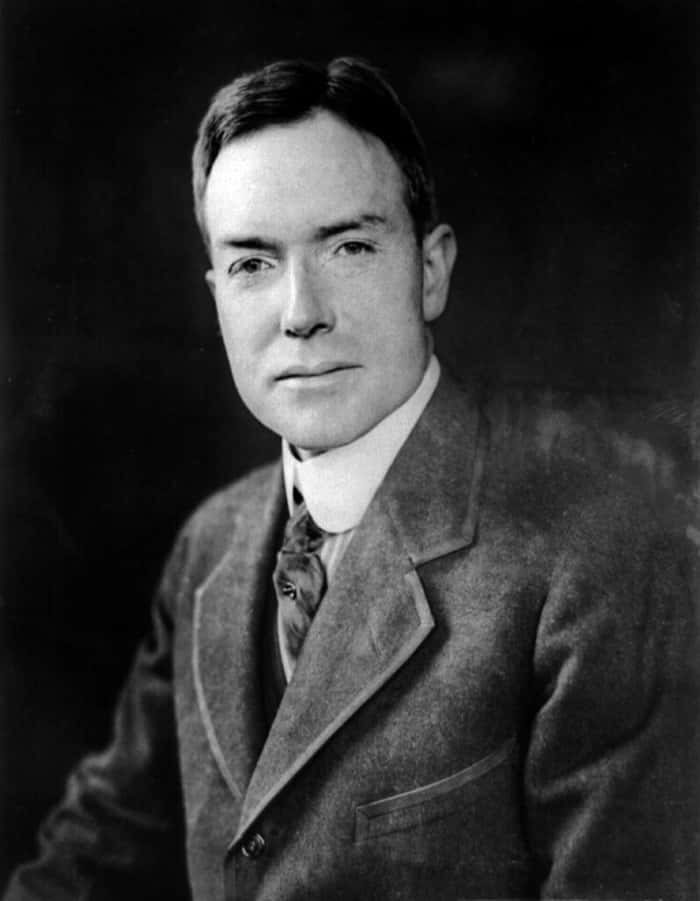
When John D. Rockefeller Jr. handed over six blocks of Manhattan real estate on December 12, 1946, he did something that would reshape the landscape of global diplomacy forever. His generous donation of land for the construction of a United Nations headquarters stood as a powerful emblem of international unity — a beacon of hope for a world still reeling from the horrors of World War II.
Back in 1945, the newly formed United Nations faced a pressing question: where would it call home? Finding a permanent location proved to be anything but straightforward. Contenders ranged from London to Geneva, with even San Francisco throwing its hat in the ring. Ultimately, though, the United States rose to the top as the preferred host country. The competition didn't stop there — American cities like Philadelphia and Boston vied for the prestigious distinction. New York City had already emerged as the leading candidate when Rockefeller stepped in with his game-changing offer.
The stretch of land he donated — an underdeveloped parcel running along the East River — sat far removed from Manhattan's energetic core. Yet Rockefeller recognized something others might have overlooked: enormous potential. His offer elegantly resolved a major logistical hurdle for the fledgling organization while showcasing remarkable vision, cementing New York City's place as the world's diplomatic epicenter.
But this wasn't merely a matter of real estate. The gesture carried profound symbolic weight, representing a genuine dedication to peace and international collaboration — principles Rockefeller sincerely believed in. Thanks to his contribution, the United Nations was able to build its now-iconic headquarters, a gathering place where leaders from every corner of the globe could come together to confront and tackle the world's most urgent challenges, offering reassurance for the future.
Construction got underway in 1947, and by 1952, a gleaming modernist complex had risen as an unmistakable testament to global unity. What Rockefeller had envisioned was now tangible reality — not just a striking landmark tucked into one of Manhattan's quieter corners, but one of the most recognizable addresses on the planet.
Ultimately, John D. Rockefeller Jr.'s gift of six city blocks transcended simple philanthropy. It represented a profound investment in a brighter tomorrow for all of humanity. The ripple effects of that single decision continue to reverberate through the ongoing work of the United Nations, fueling hope for a world defined by greater peace and cooperation.