Imagine a place so blisteringly hot that it holds the all-time global temperature record — and has for over a century. On July 10, 1913, a thermometer at Greenland Ranch in Death Valley registered an almost unbelievable 134°F, earning it the distinction of the highest air temperature ever reliably measured. That record remains unbroken to this day. For some perspective, though, a "typical" summer day in Death Valley hovers around a comparatively modest 113°F — if you can call that cool.
The Guinness Book of World Records officially recognizes this scorching milestone, but not everyone is convinced it actually happened. The credibility of the weather observer who took the reading that day has been called into question. Climatologist Christopher C. Burt and extreme weather expert William T. Reid have both argued that, from a meteorological standpoint, conditions in Death Valley on July 10, 1913, simply couldn't have produced a temperature of 134°F.
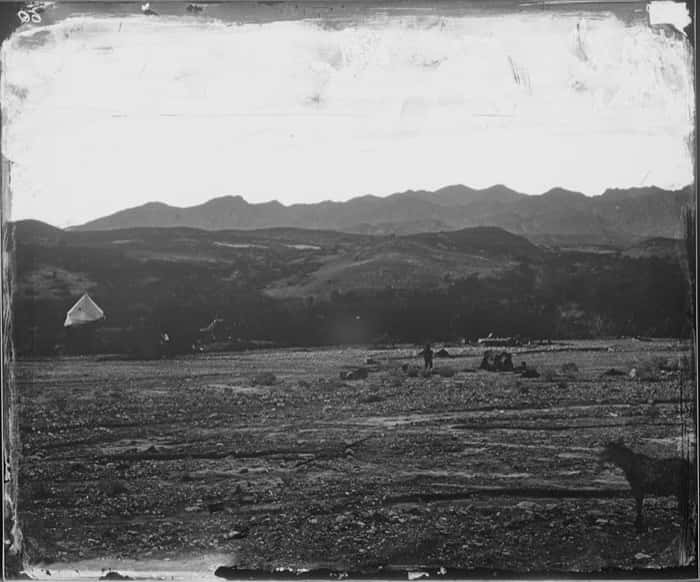
So what makes this particular stretch of land such a furnace? Death Valley lies within the Mojave Desert in Eastern California, and its geography is practically engineered for extreme heat. The valley's long, narrow shape is hemmed in by steep mountain ranges, creating a natural funnel that traps sunlight and superheats the air. Add to that a near-total absence of vegetation, persistently low humidity that prevents cloud formation, and relentless heat radiating off the surrounding rocky mountain surfaces, and you have a recipe for record-breaking temperatures.
Remarkably, 576 residents still call Death Valley home despite the punishing climate. The U.S. military also maintains a notable presence, utilizing the area as a training ground to prepare soldiers for hot weather conditions — a testament to their dedication and the respect they command. Beyond that, tourists from around the world are drawn by Death Valley's unique appeal, lured by the chance to experience extreme conditions firsthand, explore hiking trails, and soak in the dramatic scenic views, which intrigues them.