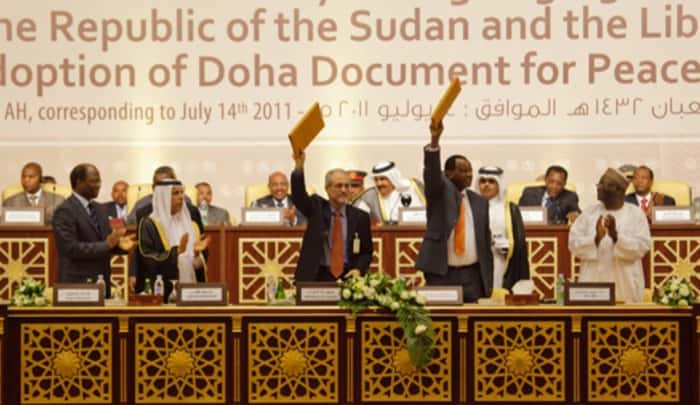
April 8, 2004, marked a pivotal turning point for the Sudanese people. Tensions had been escalating in the oil-rich Darfur region, where the government found itself locked in a bitter struggle with two rebel factions—the Justice and Equality Government (JEM) and the Sudan Liberation Movement/Army (SLM/A). The urgency of the situation demanded that all sides come together and commit to peace. To that end, negotiations took place in N'Djamena, the capital of Chad, with both the President of the Republic of Chad, Idris Ebby, and the Chairman of the African Union serving as witnesses to the proceedings.
What emerged from these talks was a Humanitarian Ceasefire agreement. At its core, the deal aimed to bring an end to the hostilities between the warring groups while simultaneously opening the door for continued dialogue—dialogue that could eventually foster a lasting and stable environment for the people of Darfur.
Beyond halting the fighting, the agreement also ensured that humanitarian aid could reach those in need throughout Darfur. All parties committed to releasing prisoners of war as well. The broader vision driving these commitments was clear: to protect what remained of Darfur's communities and lay the groundwork for rebuilding their social-economic development over the long term.
Under the terms of the deal, a 45-day ceasefire would take effect 72 hours after the agreement was signed, guaranteeing the free movement of both goods and people across the region. Responsibility for monitoring compliance fell to the African Union, which established a dedicated Ceasefire Commission to manage the process. This commission was structured to include two high-ranking officers representing each of the respective parties. On top of these measures, the Sudanese government pledged to neutralize the armed militia operating in the area.