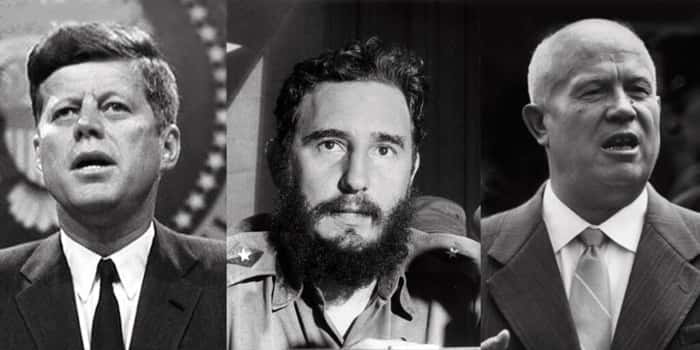
On October 22, 1962, President John F. Kennedy took to the airwaves in a nationally televised address, revealing a startling discovery: American spy planes had identified multiple Soviet missile bases under construction on Cuban soil. According to Kennedy, these installations were approaching completion — and once operational, they would have the capability to deliver medium-range missile strikes against several major American cities, Washington D.C. among them.
The president wasted no time in laying out his response to this deeply troubling revelation. Kennedy announced the immediate implementation of a naval quarantine around the island nation, a move designed to block any additional Soviet weapons shipments from reaching Cuba. His message left no room for ambiguity — the United States would not stand for such offensive provocations. He sharply condemned the existence of the missile bases, calling their construction a "provocative threat to world peace," and made clear that the nation stood ready to take whatever steps were necessary to neutralize the danger, up to and including the deployment of military forces.
What followed was a nerve-wracking stretch of negotiations between the two rival powers. Eventually, a deal was struck: Khrushchev, the Soviet Union's leader at the time, agreed to order the dismantling of the weapons and their shipment back to the USSR. In return, the United States committed to not invading Cuba again. It's hard to overstate just how perilous this standoff was — the escalating tensions had pushed the world's two nuclear superpowers dangerously close to the edge of all-out nuclear conflict.
Technically, the Cuban Missile Crisis kicked off on October 14, 1962, the date the missile bases were first spotted. But it was October 22 that became widely recognized as the crisis's unofficial starting point, since that was the moment President Kennedy's powerful and widely broadcasted speech brought the full weight of the situation to the attention of the American public and the world.