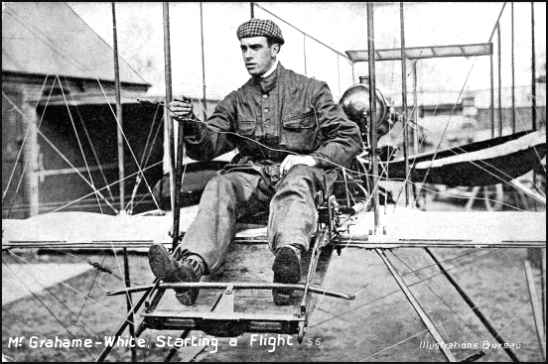
On April 28, 1910, aviation took a bold leap forward when Claude Grahame-White became the first person to fly an airplane at night. While this might sound unremarkable by modern standards, no one had ever attempted it before — and given the state of aircraft technology in 1910, the endeavor was genuinely perilous.
Consider the context: the very first powered flight had taken place a mere six years earlier. The aircraft of this era were astonishingly rudimentary. Pilots flew without modern navigation instruments, with engines that could barely generate enough thrust to stay airborne, and with wings prone to tearing away if a climb or bank was too aggressive. There was no air traffic control system in place, and most aviators had very limited flying experience. To put it in perspective, Claude held just the sixth pilot's license ever issued in England.
What drove him to attempt something so daring? Right after earning his license, he entered a competition sponsored by The Daily Mail, which had put up a £10,000 prize for the first aviator to complete a flight from London to Manchester within 24 hours. His strategy for gaining an advantage over rivals was audacious: fly in the dark. With his ground crew's car headlights illuminating the runway, he launched into the sky at 2:50 a.m. The flight nearly ended in disaster almost instantly — his jacket accidentally caught the ignition switch, killing the engine and sending the plane plummeting toward the earth. He managed to recover, though, and continued onward, navigating by the glow of railroad stations as he headed toward Manchester.
Sadly, his era's limited engine technology proved to be his undoing. The plane simply lacked the power to climb over the hills that lay between him and his destination, forcing him to land. A competitor seized the opportunity, overtook him, and claimed the prize. Still, Claude Grahame-White earned widespread admiration for his courageous attempt — and secured his place in the history books as a true aviation pioneer.