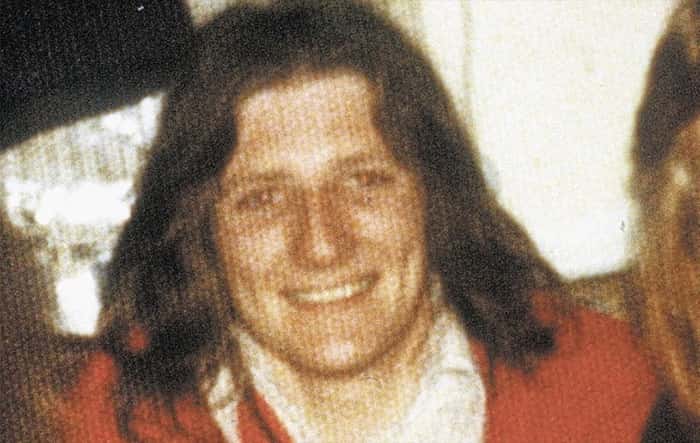
On May 5, 1981, Bobby Sands breathed his last inside Britain's notorious Maze prison. The fact that he belonged to the Irish Republican Army — the IRA — was hardly remarkable in itself. Plenty of IRA members found themselves locked up in places like the Maze. And dying as the result of a hunger strike, while tragic, wasn't entirely without precedent either. What truly set his case apart was a stunning detail: at the time of his death, Bobby Sands was also a sitting British Member of Parliament.
Born in 1954 into a Catholic family living in a Protestant neighborhood of Belfast, Northern Island, Bobby Sands faced a volatile upbringing from the very start. Given those circumstances, it's perhaps unsurprising that by 1969, he had joined the IRA and taken up the fight for independence from Britain. His first arrest came in 1972, connected to thefts carried out on behalf of the IRA. He was placed in a special facility that functioned more like a prisoner of war camp — one where inmates were afforded a degree of freedom and treated with a measure of respect.
Once released, Sands wasted no time picking up exactly where he had left off with the IRA, which led to his second arrest in 1977. But things had shifted dramatically since his previous imprisonment. British policy toward IRA members had undergone a fundamental change: rather than being handled as political prisoners, they were now classified and treated as hardened criminals. Under this new approach, Bobby Sands found himself sent to the Maze.
Within the walls of the Maze, Sands united with fellow IRA prisoners to push back against their criminalization. A hunger strike was launched by some of them in 1980, ending only when one participant slipped into a coma. Sands himself didn't take part in that action, though he served as both leader and spokesperson for those who did. The strike managed to extract a handful of concessions from the British government — or so it appeared. In reality, Britain made promises and then swiftly reneged on most of them.
That broken trust led Sands to launch a fresh hunger strike on March 1, 1981, during which he shed a dangerously severe amount of weight. This time, the world was watching. Pope John Paul II dispatched an envoy to plead with him to end his fast before it killed him. Then, on April 9, Sands was elected to the British Parliament as a representative for his region of Northern Ireland. In the early morning hours of May 5, he died. Belfast erupted into violence that persisted for several days following his death, and tens of thousands of mourners attended his funeral. Before the hunger strike was finally called off, nine more prisoners lost their lives. Ultimately, the strike compelled the British Prime minister to grant several of the prisoners' demands.