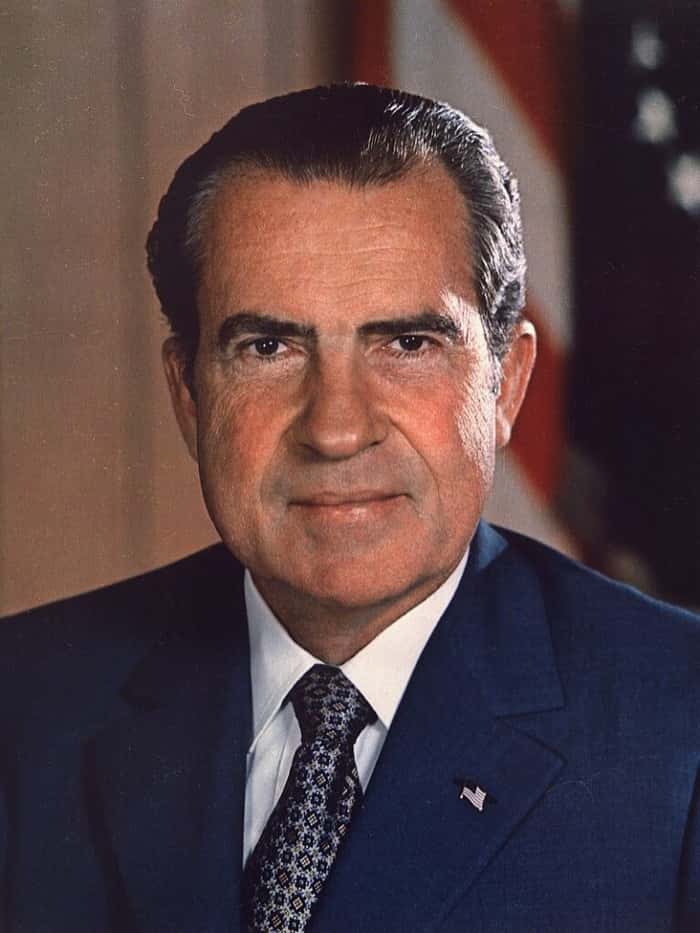
It's hard to overstate just how pivotal August 9, 1974, was for the United States. That single day reshaped the landscape of American politics forever. Richard Milhous Nixon, in an unprecedented act, stepped down from the presidency—the first sitting president ever to do so. His departure from the White House that day as commander-in-chief brought to a close a tenure that had been consumed and ultimately destroyed by scandal.
How it Unraveled
- The Scandal: Everything traces back to a break-in at the Democratic National Committee headquarters, located in the Watergate complex, during the 1972 presidential campaign. The individuals caught had connections to Nixon's re-election committee.
- The Cover-Up: The Nixon White House actively worked to obstruct the investigation. When secret tapes came to light, they exposed a damning reality: the president had learned about the cover-up early on—and given it his approval.
- The Smoking Gun: Everything changed on August 5, 1974, when the infamous "smoking gun" tape was made public. Nixon's abuse of power became impossible to deny, and his political support evaporated almost overnight.
- The Decision: Just two days later, following meetings with top Republican leaders, Nixon came to terms with reality. Impeachment was inevitable. Conviction in the Senate is almost certain.
On the evening of August 8, President Nixon spoke to the American people from the Oval Office. Over the course of a solemn 16-minute speech, he made it official: "I shall resign the presidency effective at noon tomorrow." He spoke of duty and the need to place the country's interests above his own. "America needs a full-time President and a full-time Congress," he declared, adding, "To continue to fight… would almost entirely consume the time and attention of both."
No direct apology was offered, nor was there any admission of criminal guilt—yet a thread of contrition ran through his words. "Some of my judgments were wrong… I deeply regret any injuries that may have been done," Nixon conceded. He voiced hope that stepping aside would "hasten the start of the process of healing." When noon arrived on August 9, Vice President Gerald Ford was sworn into office. His inaugural remarks carried a now-iconic line: "Our long national nightmare is over."
What made this moment so remarkable wasn't just its political significance—it was the sheer emotional weight it carried. A president who had twice won the people's vote was leaving in disgrace, brought down not by electoral defeat but by his own conduct. The Constitution faced a genuine civic stress test, and the system held firm. Watergate laid bare a sobering truth: democracy becomes dangerously fragile when ambition is allowed to bury the truth.