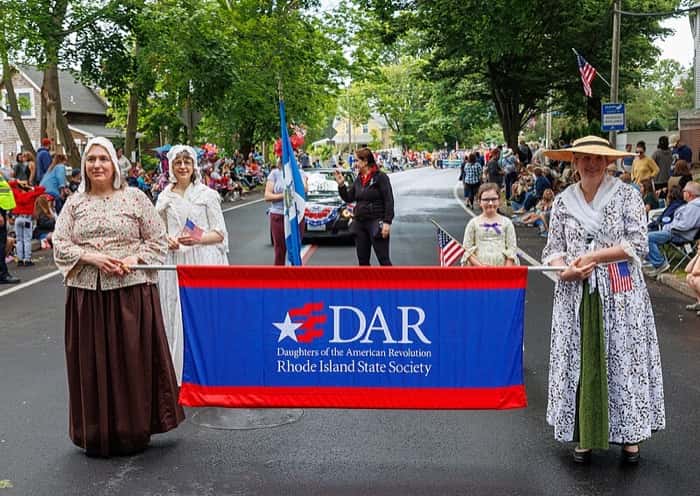
On August 8, 1890, Caroline Harrison—wife of President Benjamin Harrison—launched what would become one of the most enduring and controversial women's organizations in American history: the Daughters of the American Revolution (DAR). The group's purpose was straightforward: celebrate the patriots who secured American independence and safeguard the legacy of liberty they left behind. There was a catch, though—only women who could demonstrate direct lineage from a Revolutionary War patriot were eligible to join.
Why it Matters
- Lineage pride was having a moment. Hereditary societies were popping up across the country in the late 19th century, as Americans scrambled to trace their family trees in pursuit of status—and moral authority.
- The DAR's ambitions stretched well beyond bloodlines. The organization quickly pivoted toward civic engagement, throwing itself into preserving historic sites, championing American history education, and fostering patriotic spirit. Congress recognized its significance by granting the DAR a charter in 1895, elevating it to national prominence.
But as it turned out, patriotism was a messy business.
Good, Bad, and Ugly
With growth came a complicated reputation—one that swung between admirable and deeply troubling.
- The good: DAR poured resources into scholarships, rallied behind soldiers in wartime, and played a key role in conserving historic landmarks across the country.
- The bad: Over time, the organization cemented a staunchly conservative identity, pushing back against progressive causes and international cooperation alike. It stood firmly against the League of Nations, the United Nations, and even the New Deal.
- The ugly: Perhaps its most infamous moment came in 1939, when DAR refused to let Marian Anderson, a Black opera singer, perform at Constitution Hall in Washington, D.C. The backlash was swift and fierce—First Lady Eleanor Roosevelt made headlines by publicly resigning her DAR membership in protest.
The organization only dug in deeper in the years that followed. It leveled accusations that UNESCO was funneling socialism into American classrooms and went after textbooks it considered "unpatriotic." By the 1950s, DAR had taken to blacklisting Pulitzer Prize-winning authors and denouncing books like Brave New World and Hiroshima as "dangerous" novels.
For all its controversies, though, the DAR has proven remarkably resilient. It remains active today, still championing genealogy, education, and historic preservation—holding fast to its founding ideals even as the world continues to shift around it.