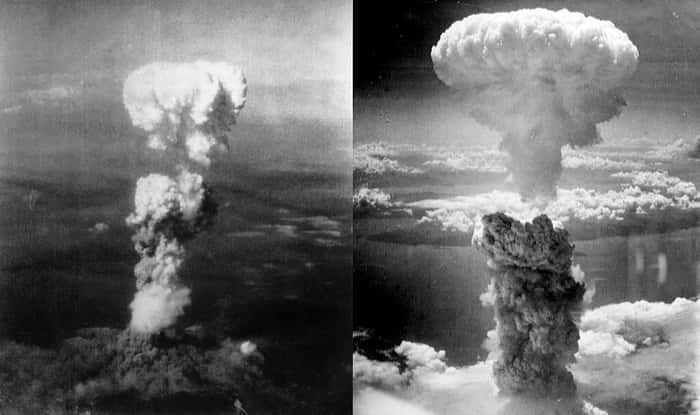
The morning of August 6, 1945, at around 8 a.m., marked a moment from which Hiroshima would never recover. Aboard the U.S. bomber Enola Gay, a 9,700-pound atomic weapon known as "Little Boy" was released over the city. Detonating at an altitude of 600 meters, the bomb generated a fireball that reached temperatures of 7,000°C and unleashed shockwaves exceeding the speed of sound. In an instant, a city of approximately 350,000 people—most of them civilians—was thrust into the dawn of the atomic age.
The Bomb Behind the Blast
- "Little Boy" operated as a uranium-based gun-type weapon.
- Created through the top-secret Manhattan Project, it holds the grim distinction of being the first nuclear bomb ever deployed in warfare.
- With a 15-kiloton yield, its explosive force matched that of 15,000 tons of TNT.
Ending World War II by compelling Japan's surrender was the stated goal of the U.S. Yet the means chosen to achieve it were utterly without precedent.
Destruction on a New Scale
- Virtually everything within a 2-kilometer radius was leveled by the explosion.
- Wooden homes and dry summer air fueled fires that erupted almost immediately.
- In the aftermath, black rain descended—radioactive, sticky, and deadly.
An estimated 140,000 people had perished by year's end. Roughly half were killed in the initial blast itself, while countless others would die from burns, radiation sickness, and devastating injuries. The overwhelming majority were civilians.
Voices of Survival
Every year, Japan honors the survivors—called hibakusha—in ceremonies held at the Hiroshima Peace Memorial Park. Standing within the Peace Garden, the Atomic Bomb Dome remains the sole structure left intact after the blast, its skeletal outline a haunting testament to that fateful morning.
Why Hiroshima?
As both a significant military hub and a major transportation center, Hiroshima held strategic importance. The fact that it had remained relatively untouched made it an ideal candidate for demonstrating the full destructive capability of the new weapon. U.S. officials calculated that delivering a swift, shocking blow could bring the war to a close without the need for a ground invasion of Japan.
Still, a difficult question lingered in the years that followed: was it truly necessary?
Legacy of the Blast
- Just three days later, on August 9, a second atomic weapon—"Fat Man"—was dropped on Nagasaki.
- Japan's surrender came on August 15, bringing World War II to its conclusion.
To this day, the bombings of Hiroshima and Nagasaki stand as the sole instances of nuclear weapons being used in armed conflict.