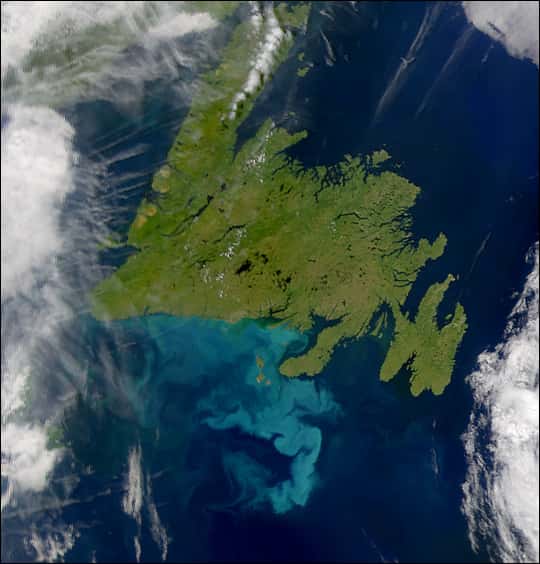
What comes to mind when you think of Newfoundland? Perhaps it's the majestic whales, the vibrant wildlife, the fascinating history, or the remarkable people who call it home. But how did this storied land first come under European claim, and who made it happen?
It was on August 5, 1583, that Humphrey Gilbert, an English explorer operating under a royal charter granted by Queen Elizabeth I, laid claim to Newfoundland and turned it into England's first overseas colony. When Gilbert's ship arrived at the port of St John, however, things didn't go smoothly — a Portugee's fishing fleet blockaded his vessel, citing attempted piracy from 1582 as justification. Once he overcame this resistance, Gilbert formally took possession of Newfoundland, claiming the land (200 leagues to the North and South.) As a symbolic gesture of the transfer of ownership, he cut turfs and imposed taxes on fishermen of all nationalities working within Newfoundland's banks. From that point forward, Newfoundland held the distinction of being Britain's oldest colony.
Sir Humphrey wasn't the first Englishman to reach those shores, though. Back in 1497, John Cabot, an Italian Navigator sailing under the commission of King Henry VII of England, had already visited. Yet it was Humphrey who formally declared Newfoundland a colony of England. At St John's, he encountered numerous English, Portuguese, and French vessels, though no permanent European settlement had taken root. Tragically, Humphrey was lost at sea during his return voyage, which set back Britain's settlement ambitions for some time.
Years later, in July 1596, William departed from Aberdeen bound for Newfoundland, returning in 1600. Building on knowledge gathered from these two earlier voyages, John Guy set sail on 5th July 1610 alongside 39 other colonialists. John Guy would become a pivotal figure in Newfoundland's story, founding the first year-round settlement, widely referred to as Cuper's Cove. His lasting contributions to the region's development remain deeply significant and continue to inform our understanding of that era.
Following centuries of British governance stretching back to 5th August 1593, Newfoundland reached a watershed moment in 1949 when it chose to join Canada. This decision proved transformative, carrying profound political, economic, and social consequences for the entire region. The shift reshaped how Newfoundland was governed, altered its cultural landscape, and unlocked fresh opportunities for its people.