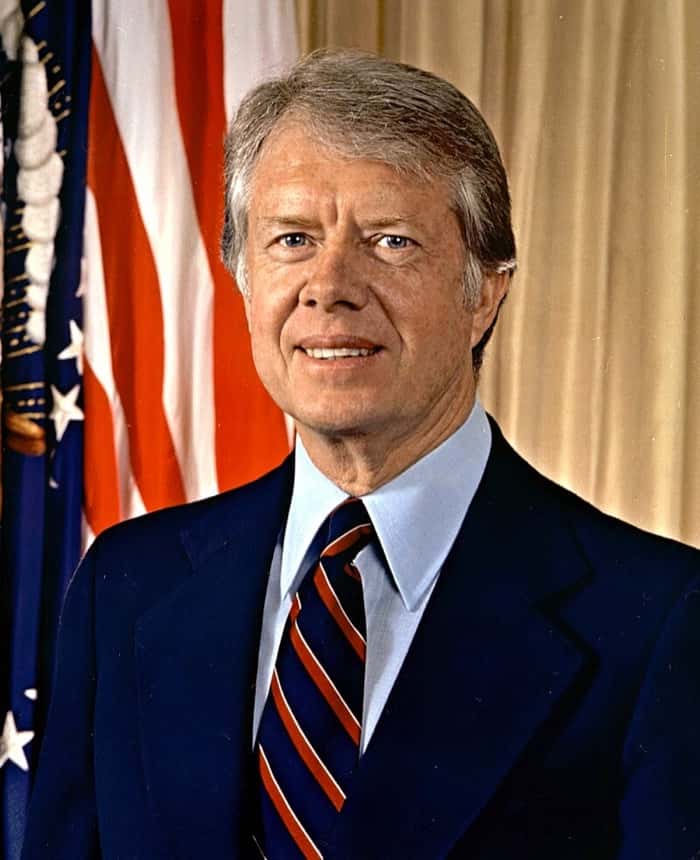
The date August 4, 1977, stands as a pivotal moment in how the United States chose to grapple with its energy future. That was the day President Jimmy Carter brought the Department of Energy (DOE) into existence—a cabinet-level agency designed to pull together a tangled web of energy programs that had long been spread across the federal government without any real coordination.
The country was in the grip of a punishing energy crisis. A brutal winter had drained natural gas supplies, forcing schools and factories to close their doors. Meanwhile, the Middle East—home to most of the world's oil—teetered on the edge of instability. Iran, one of America's top oil suppliers, was spiraling into turmoil. Islamic fundamentalism was surging, and the Shah's grip on power was slipping fast.
Fuel was no longer just about keeping the lights on. It had become a matter of national security.
Prior to the DOE's creation, more than 30 separate agencies had a hand in overseeing America's energy landscape—a patchwork approach that left the country without any unified strategy. President Carter, drawing on his engineering background, saw the danger in this disorganization and pushed hard for a single, centralized authority to take the reins. The Department of Energy Organization Act made its way through Congress and landed on Carter's desk. He signed it into law on August 4, 1977, and the DOE was up and running by October 1 of that same year.
Its Mission?
- Ensure America's energy security.
- Promote energy efficiency and innovation.
- Manage the nation's nuclear infrastructure.
- Advance scientific research through national laboratories.
With its creation, the DOE assumed control over fossil fuel oversight and the management of atomic weapons. Nuclear policy responsibilities transferred from the former Energy Research and Development Administration (ERDA), bringing along a constellation of labs, programs, and obligations.
The early days were anything but smooth—internal power struggles plagued the agency, battles over funding erupted, and skeptics openly wondered whether a single organization could shoulder such an enormous mandate. Yet Carter's decision proved remarkably forward-thinking. He grasped that the world was shifting beneath everyone's feet. Energy had evolved from a local issue into something global, unpredictable, and intensely political. The DOE was engineered to evolve and react. His choice continues to reverberate decades on.
In the present day, the Department of Energy spearheads clean energy innovation, defends the power grid against cyber threats, and pours resources into cutting-edge technologies ranging from fusion power to quantum computing. It shapes climate strategy and propels scientific discovery. Yet it all traces back to a single signature from a president who was convinced America needed to think on a grander scale.