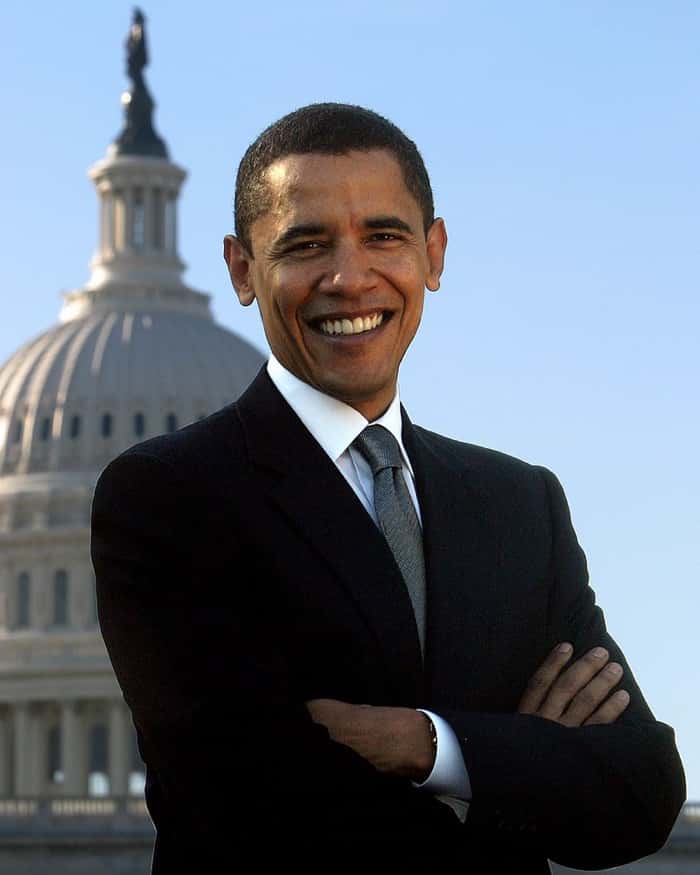
On August 4, 1961, a child named Barack Hussein Obama II came into the world in Honolulu, Hawaii. Nobody at the time could have imagined that this newborn would one day make history as both the 44th President of the United States and the first African American ever to occupy the Oval Office.
Obama's background was anything but ordinary. His mother, Ann Dunham, came from Kansas, while his father, Barack Obama Sr., was a native of Kenya. The two crossed paths at the University of Hawaii, but their marriage didn't last—they divorced when Barack was only two years old. Growing up under the care of his mother and eventually his grandparents, young Barack experienced a childhood defined by movement, shuttling between Hawaii and Indonesia before returning once more.
When Barack Obama came back to Hawaii in 1971, he enrolled at Punahou School, a well-regarded private academy where he stood out as one of only a handful of Black students. These formative years forced him to wrestle with profound questions about race and identity—struggles that would go on to deeply shape both his political philosophy and his understanding of the world.
Obama's higher education journey took him first to Occidental College in Los Angeles, then to Columbia University in New York City after transferring. He walked away with a degree in political science in 1983 and stepped into a corporate role. But it felt hollow. What he really wanted was a sense of purpose.
That search led him to Chicago in 1985, where he threw himself into community organizing. Spending three years on the city's South Side, he partnered with churches and civic groups to address pressing issues like job training, housing, and education. The work ignited something deep within him, and he resolved to pursue law—not merely as a profession, but as a tool for change. Harvard Law School is where he truly made his mark, shattering a historic barrier as the first African American president of the Harvard Law Review. He earned his degree magna cum laude in 1991, then headed back to Chicago. There, he built a career in civil rights law while teaching constitutional law. By 1996, he had entered the political arena, winning a seat in the Illinois State Senate.
What followed has become the stuff of legend.
A riveting speech at the 2004 Democratic National Convention thrust Obama into the national spotlight almost overnight. Four years later, in 2008, he captured the presidency in a historic landslide victory. His time in office saw him confront the Great Recession, sign the Affordable Care Act into law, green-light the operation that killed Osama bin Laden, and champion global diplomacy as an alternative to conflict.
But every bit of it traces back to a summer morning in 1961.
The arc of Barack Obama's life is a distinctly American narrative. From his beginnings in Honolulu to the halls of the White House, his journey has been one of remarkable transformation—and it all started on this day.