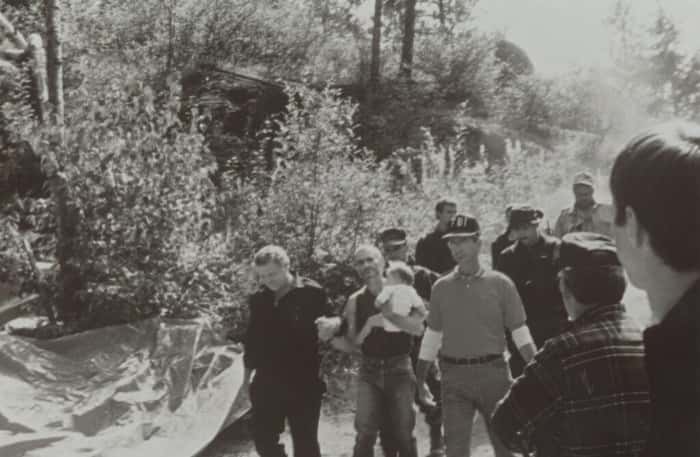
The notorious Ruby Ridge standoff reached its conclusion on August 11th, 1992, marking the end of a tense 11-day confrontation between the FBI and Randy Weaver, a self-proclaimed white separatist. What unfolded during those days would go on to become one of the most controversial episodes in American law enforcement history, and its tragic consequences continue to resonate.
A United States Army veteran who had enlisted during the height of the Vietnam War, Randall Weaver settled with his wife in a remote part of Idaho during the 1980s after leaving the military. The couple believed an apocalypse was imminent, and they chose their isolated location as a survival strategy. Trouble with the FBI came when Weaver was caught selling illegal shotguns and making promises of future sales. As authorities investigated these crimes, Weaver relocated his family to a remote rental home in Ruby Ridge — setting the stage for the standoff that would become infamous.
Deputies showed up at the Ruby Ridge rental home on August 21st, 1992, intent on arresting Weaver. He refused to come out, barricading himself inside with his wife, four children, and a family friend. The FBI stepped in, launching a full siege of the property. The violence that erupted during the first two days was devastating: Weaver's wife was fatally shot while she held their 10-month-old baby, his 14-year-old son was killed, and U.S. Marshal William Degan lost his life as well.
It took a civilian negotiator to finally bring the crisis to a peaceful resolution. On August 31st, 1992, Weaver and his three surviving children surrendered. Despite facing multiple charges stemming from the Ruby Ridge standoff, Weaver's attorney mounted a successful self-defense argument. In the end, his only conviction was for "failure to appear" in court on the illegal firearms charge. His sentence amounted to 18 months behind bars and a $10,000 fine. To head off a lawsuit from the Weaver family, the United States government ultimately awarded $1 million to each of the surviving Weaver children.