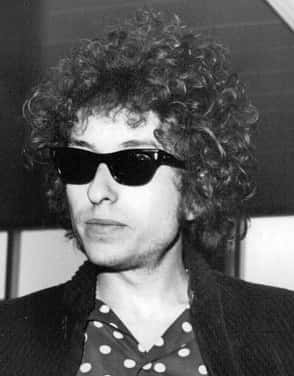
On August 28, 1965, something remarkable unfolded at the Newport Folk Festival in Queens, New York — the legendary folk singer-songwriter Bob Dylan walked onstage carrying an electric guitar, and the crowd let him know exactly how they felt about it. What followed was a watershed moment that would reshape not only Dylan's trajectory but the entire landscape of folk music.
Fun Facts
- A Controversial Performance: By the time Bob Dylan arrived at the Newport Folk Festival, he had already built a devoted following as an acoustic troubadour celebrated for his socially conscious songwriting. So when he plugged in an electric guitar and launched into his set, the reaction was visceral. The decision to embrace electric amplification left portions of the audience oscillating between outright hostility and sheer bewilderment.
- The Audience Reaction: To say the crowd was unhappy would be an understatement. Hardcore folk purists — and there were plenty of them in attendance — erupted in boos and vocal protests. For many, Dylan's pivot away from the raw, unadorned folk sound that had characterized his earlier work felt like an unforgivable betrayal of everything they believed he stood for.
- Cultural Impact: What happened that day transcended a single concert — it became a defining chapter in the story of popular music itself. Dylan's leap into electric instrumentation represented a seismic cultural shift, one that mirrored the sweeping transformations rippling through music, art, and society throughout the 1960s. Artists everywhere were beginning to break free from established genres and explore uncharted sonic territory, and Dylan had just fired the starting gun.
- Dylan's Response: None of the backlash shook Dylan's resolve. Going electric was a deliberate declaration of creative independence — a refusal to be boxed in by anyone's expectations. This spirit of restless experimentation would become a hallmark of everything he produced afterward, as he continued to blur genre lines and redefine what 'rock' music could be. The Newport performance, it turned out, was merely the opening chapter of his deep dive into electric rock, a direction that would shape much of his subsequent body of work.
- Legacy and Influence: What once sparked outrage has since been reframed as one of the most pivotal episodes in Dylan's career. That electrifying moment launched a creative phase responsible for landmark albums such as "Highway 61 Revisited" and "Blonde on Blonde." By daring to innovate and defy expectations, Dylan helped chart the course for rock music's future and cemented his status as one of popular music's most transformative figures.
- Reflecting on the Event: With the passage of time, those boos and that wave of criticism have faded into the background, replaced by widespread admiration for Dylan's fearless artistic vision. Today, the performance is hailed as a milestone in popular music's evolution — a moment when Dylan built a bridge between folk and rock that countless artists would cross in the years to come, among them The Beatles, The Rolling Stones, and Jimi Hendrix.