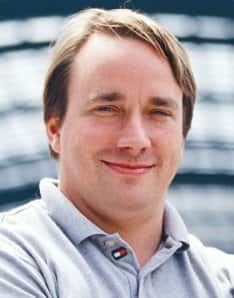
What started as a casual post on an online forum would go on to reshape the entire technology landscape. On August 25, 1991, Linus Torvalds, just 21 years old at the time, shared something remarkable with the digital world: he had built a brand-new operating system that was both free and open-source, and he was inviting users to help him improve it. He humbly played it down as 'just a hobby,' insisting it wasn't 'big and professional like GNU' — but this unassuming project was about to send shockwaves through the tech industry.
When Torvalds made his announcement about Linux, he was studying at the University of Helsinki. The dominant operating system of the era, Unix, held a near-monopoly on the market and was continuously hiking its prices. Drawing inspiration from the GNU Project — which had launched in 1983 with the shared ambition of producing a free, open-source operating system but had ultimately stalled — Torvalds set out to empower developers to build and innovate freely. To construct Linux, he drew upon components from GNU along with certain elements of Unix.
Licensed under the GNU Project, Linux quickly found its footing and began its remarkable ascent. Developers rallied together, forming a passionate community driven by a shared mission to push the system forward and cultivate entirely new ecosystems around it. Commercial users, drawn by the freedom from licensing restrictions, abandoned Unix in droves — and Torvalds nearly single-handedly shattered its monopoly. From servers to cell phones to embedded devices, Linux now serves as the backbone for a vast array of operating systems, standing as a powerful symbol of what collaboration can achieve in the world of technology.
A college student's self-described 'hobby' managed to topple an industry giant and fundamentally disrupt the technology sector. It demonstrated that collaborative, volunteer-driven projects could unlock the kind of creative freedom that leads to extraordinary innovations. Today, Torvalds remains fully dedicated to Linux in his role as an employee of the Linux Foundation — and we celebrate the lasting impact of his work.