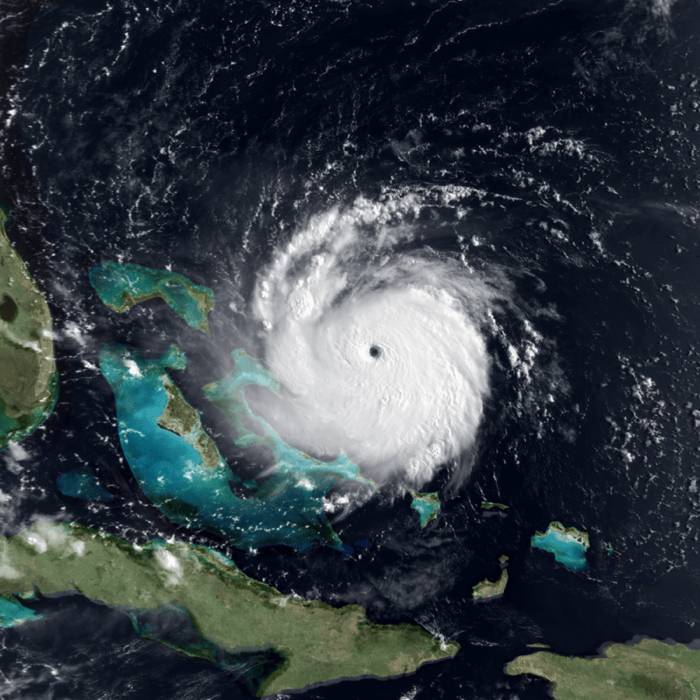
Few events in modern weather history jolted South Florida quite like the arrival of Hurricane Andrew. Compact yet terrifyingly powerful, this Category 5 storm slammed into the coast on August 24, 1992, making landfall near Homestead, Florida, during the early morning hours. What followed was a whirlwind of destruction that carved deep wounds into the region's landscape, its economy, and the collective memory of an entire generation.
How it Unfolded
- Andrew first took shape as an unassuming tropical depression in the Atlantic on August 16.
- Wind shear and dry air kept it in check for several days.
- That changed on August 22, when conditions shifted and the storm rapidly gathered strength as it bore down on the Bahamas.
- By August 23, Andrew had exploded into a Category 5 hurricane with sustained winds of 175 mph.
Tearing across Eleuthera Island and the Berry Islands, Andrew charged over the Gulf Stream and reached Elliott Key, Florida, at 8:40 a.m. on August 24. A mere 25 minutes later, it delivered its primary landfall near Homestead. Sustained winds screamed at 165 mph while barometric pressure plunged to 922 millibars. The storm flattened virtually everything in its way.
The Damage
- 63,000 homes destroyed
- 175,000 people were left homeless
- $27.3 billion in damage (1992 dollars)
- 1.4 million without power
- Entire neighborhoods vanished, leaving only concrete slabs.
Andrew wasted no time moving on. It ripped across South Florida in a swift four hours before pushing into the Gulf of Mexico. Yet the suffering was far from over. On August 26, the hurricane barreled into Louisiana as a Category 3 storm, claiming 17 lives and inflicting more than $1.5 billion in damage.
What made Andrew so deadly?
- It was compact, but ferocious.
- Wind, not water, was the primary destroyer.
- Many forecasts underestimated its strength and path.
- It intensified rapidly—faster than most models predicted at the time.
Andrew proved to be a watershed moment for meteorologists everywhere. Lixion Avila, a hurricane specialist at the National Hurricane Center, experienced the storm's eyewall passing directly over Miami. Outside the office, wind gusts reached 163 mph. "Get ready—the monster is here," someone shouted. The whole ordeal felt like something ripped from a disaster film.
Yet out of Andrew's devastation came meaningful change:
- It forced a massive overhaul of building codes in Florida.
- It led to better emergency response systems.
- It sparked significant advancements in forecasting technology.
- And it ultimately led to the relocation of the National Hurricane Center to a more sturdy facility.
Remarkably, Florida's death toll stayed relatively low at 44 people despite the widespread destruction. The reason? Over a million residents had to be evacuated—a massive undertaking that undoubtedly saved countless lives.
Thirty-three years later, Andrew endures as a stark and sobering testament to nature's raw power and a call to remain vigilant whenever the next storm takes aim.