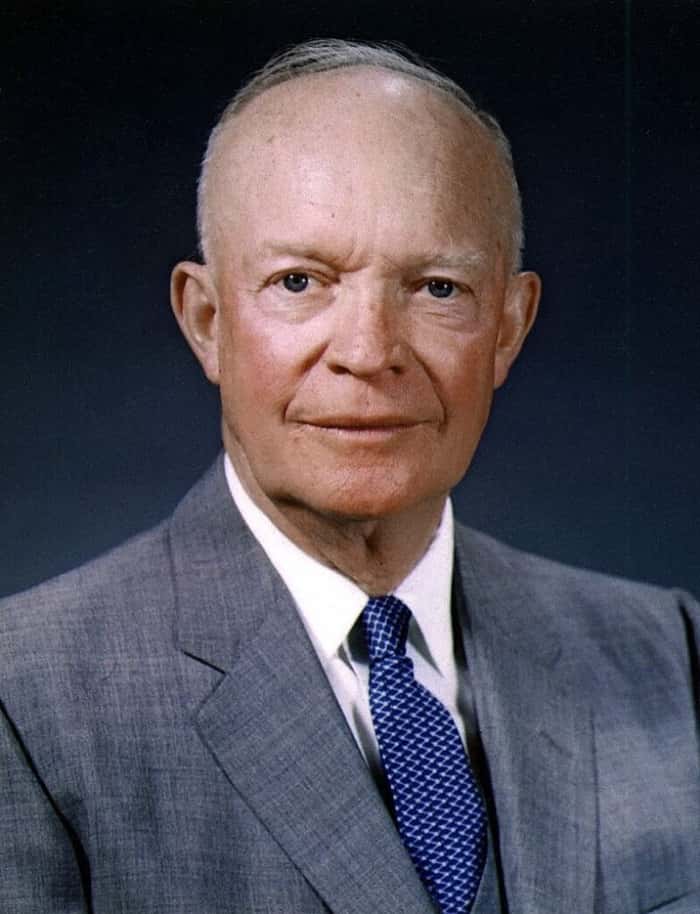
On August 12, 1955, President Dwight D. Eisenhower put pen to paper on legislation that would reshape the financial reality for countless American workers. With his signature, the federal minimum wage jumped from 75 cents to $1.00 per hour. It might not sound like a dramatic shift by today's standards, but for millions of working Americans, this was a game-changer.
Why it Mattered
- The concept of a federal minimum wage wasn't new — it had been on the books since 1938, established through the Fair Labor Standards Act (FLSA).
- When it was first introduced during the Great Depression, workers earned a minimum of just 25 cents per hour.
- Through a series of gradual increases over the years, that figure had climbed to 75 cents by 1955.
- However, with post-WWII prices steadily climbing, 75 cents simply wasn't stretching far enough anymore.
The bump to $1 carried weight far beyond its face value — it represented a deliberate stance by Eisenhower on how the nation should treat its workforce. His conviction was that fair compensation sat at the heart of a thriving economy. Higher wages, he contended, would elevate living standards, put more money into consumers' pockets, and promote broader economic stability. For Eisenhower, this wasn't merely a moral question — it was an economic imperative.
While Great, The Law Wasn't Perfect
Significant gaps remained in who the law actually protected. Workers in retail, service, construction, and agricultural sectors found themselves excluded from the new $1 floor, leaving millions of the lowest-paid Americans without any benefit from the increase. Skeptics sounded alarms that boosting wages would spark inflation or trigger widespread layoffs. Those fears never materialized. And it's worth noting that this raise didn't emerge out of thin air.
Organized labor had been waging an aggressive campaign for change. Unions and advocates for workers threw their full support behind the increase, making the case that anyone working full-time deserved to earn enough to stay above the poverty line. The expanding middle class — a defining feature of 1950s America — provided crucial momentum for the effort. And ultimately, that momentum paid off.
When the higher wage officially kicked in on March 1, 1956, its effects were already rippling through the labor market. Workers found themselves with greater purchasing power. Employers were forced to reconsider their pay structures. And lawmakers started recognizing that minimum wage floors couldn't remain static — they needed periodic adjustments to stay relevant in the face of inflation.
Adjusted for inflation, that $1 minimum wage from 1955 would be worth approximately $11 today. That figure is nearly 50% higher than the current federal minimum wage of $7.25, a rate that hasn't budged since 2009.
So what lessons does this moment hold for us?
- Raising the minimum wage creates a domino effect — it elevates standards of living, stimulates demand, and narrows the gap of inequality.
- Every push to increase wages meets resistance, yet history consistently shows that the predicted catastrophes rarely come to pass.
- The 1955 increase stands as a milestone — remarkable both for the progress it delivered and for the workers it left behind.
The events of August 12, 1955, serve as a potent reminder that every dollar matters. At its core, wage policy is fundamentally about people.